
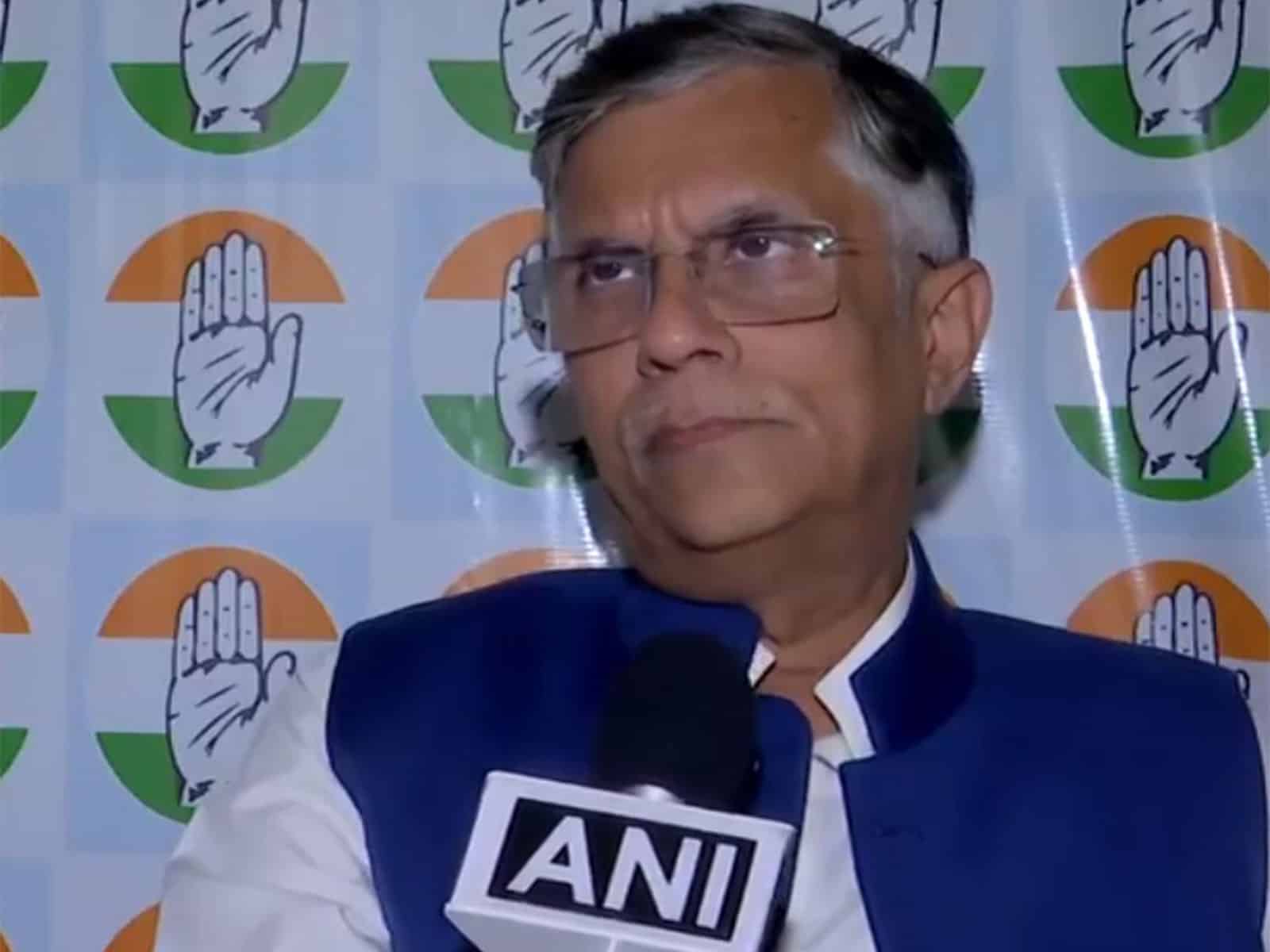
 Congress spokesperson Pawan Khera has publicly challenged Parliamentary Affairs Minister Kiren Rijiju to state unequivocally that no minister from the Bharatiya Janata Party has ever met financier and philanthropist George Soros, and that no family member of any ruling party leader has worked or is working with organisations funded by him. The demand escalates a political row that has simmered for months over allegations that Soros-backed foundations have sought to influence domestic policy debates.
Addressing reporters in New Delhi, Khera questioned what he described as a selective narrative around foreign funding and influence. He asked Rijiju to “categorically declare” that no member of the Union Council of Ministers has had contact with Soros and that no relative of a senior BJP leader has professional ties to entities receiving support from the Open Society Foundations, the global network established by Soros. Khera framed his remarks as a rebuttal to repeated attacks by BJP figures alleging that opposition leaders have benefited from foreign-linked organisations.
Rijiju, who has previously criticised what he termed “external interference” in democratic processes, has not issued a detailed response to Khera’s latest remarks at the time of publication. The BJP has consistently rejected opposition claims of impropriety and has accused Congress of attempting to divert attention from its own record. Party leaders have in the past pointed to statements by Soros critical of Prime Minister Narendra Modi’s government, arguing that such comments demonstrate a political agenda.
George Soros, a Hungarian-American investor known for his philanthropic activities and support for civil society initiatives across more than 100 countries, has long been a polarising figure in global politics. Through the Open Society Foundations, he has funded programmes focused on human rights, governance, education and public health. Governments in countries such as Hungary and Turkey have accused his network of backing opposition movements, allegations his foundation has denied, maintaining that its work is transparent and non-partisan.
The controversy in India intensified after Soros, speaking at an international forum last year, referred to developments in the country’s political landscape and raised concerns about what he described as democratic backsliding. BJP leaders responded sharply, accusing him of seeking to undermine national institutions. Finance Minister Nirmala Sitharaman and External Affairs Minister Subrahmanyam Jaishankar have previously dismissed such criticism as misinformed, asserting that India’s democratic framework remains robust.
Khera’s challenge shifts the spotlight onto the ruling party’s own interactions with global philanthropic networks. While no evidence has been presented publicly to suggest that any serving minister has engaged in policy discussions with Soros or his foundation in an official capacity, the Congress leader’s remarks reflect a broader debate about transparency in political and institutional engagement with foreign-funded organisations.
Under the Foreign Contribution Act, organisations receiving overseas funding are required to register with the Ministry of Home Affairs and disclose details of donations and utilisation. Amendments to the Act in 2020 tightened compliance requirements, limiting sub-granting of funds and increasing scrutiny over administrative expenses. The government said the changes were necessary to prevent misuse of foreign contributions, while several civil society groups argued they constrained legitimate non-profit activity.
Data published by the Ministry of Home Affairs show that thousands of non-governmental organisations have had their FCRA registrations cancelled over the past decade for non-compliance. Open Society Foundations has stated that it operates in accordance with local laws in countries where it funds projects. Publicly available filings indicate that its grants in India have historically focused on academic research, public health and social justice initiatives.
Political analysts note that the Soros debate resonates because of the wider geopolitical context. Relations between India and Western governments have evolved amid shifting alliances, economic negotiations and strategic cooperation. Accusations of foreign influence can carry weight in a climate where national sovereignty is frequently invoked in public discourse.
Opposition leaders have argued that allegations linking them to Soros are designed to delegitimise dissent. Congress has maintained that engagement with global think tanks, universities and philanthropic bodies is commonplace across parties and administrations. Khera’s remarks suggest that Congress intends to challenge what it views as a double standard, pressing the BJP to match its rhetoric with explicit declarations.