Loading…
Just in:
Loading latest syndicated reports…

Top stories

Updated continuously

Nvidia and Bharat1 launch AI superpark to elevate global research

Bengaluru is poised to become a significant global centre for artificial intelligence research as Nvidia and Bharat1 AI Research & Innovation City embark on an ambitious project to establish a sprawling AI Superpark in the city’s technology ecosystem. The initiative aims to bring together tens of thousands of researchers, engineers and innovators under one integrated hub designed to accelerate high-performance AI development and commercialisation.

The B1 AI Superpark, a 500,000-square-foot facility already operational, will serve as the heart of a broader AI innovation district spanning approximately 70 acres. Once fully developed, the district is projected to encompass nearly four million square feet of research and development space, hosting startups, corporate laboratories, applied research teams and product companies focused on advanced artificial intelligence systems.

Nvidia, a leading multinational technology company renowned for its accelerated computing platforms and AI software ecosystem, will contribute its full computing stack and technical expertise to the Superpark. This includes access to hardware optimised for large-scale model training and deployment, along with AI software platforms that support innovation workflows from prototype to production. Startups and research teams within the ecosystem will further be eligible for inclusion in Nvidia’s Inception programme, which offers technical guidance, infrastructure support and connections to long-term capital and enterprise partners via its venture alliance network.

According to project proponents, the AI Superpark distinguishes itself from conventional technology campuses by being built for high-density compute workloads, complex simulations and frontier research tasks that require extensive datasets and cutting-edge infrastructure. The facility is also intended to generate substantial volumes of structured data to support the training and refinement of world models and other advanced AI frameworks, underpinning both foundational research and applied innovations destined for global markets.

Visionaries behind the project describe the AI Superpark as part of a new model for research ecosystems that integrates physical infrastructure with global network access and capital support. Its design draws inspiration from successful international innovation clusters, aiming to replicate the benefits of co-location and resource sharing that have accelerated startup scaling and deep scientific inquiry elsewhere. Leaders involved in the initiative see potential for Bengaluru to play a pivotal role not just as a talent pool but as a strategic node in the global AI research landscape. ][3])

“We are building and funding AI startups from the world’s most tech talent-dense country, Bharat, in its most talent-dense city, Bengaluru,” said Subhashis Banerjee, reflecting the confidence of the Superpark’s backers in the region’s human capital and potential for breakthrough innovation. Industry stakeholders describe the collaboration as a step toward addressing persistent constraints that have slowed large-scale research in the region, including limited access to advanced computing infrastructure and global go-to-market channels.

The establishment of the AI Superpark occurs amid a larger wave of global technology companies deepening their engagement with AI infrastructure development in India. Other announcements at high-level industry forums have included expanded commitments by multinational players to build data centres, subsea connectivity and compute capacity that together support the broader AI ecosystem. These parallel efforts underscore the shifting dynamics of global AI investment, with India increasingly emerging as a strategic destination for technology and research infrastructure.

The initiative also signals a maturation of the local startup landscape, where enterprises and research organisations are seeking environments that enable experimentation at scale without the traditional barriers of fragmented resources or siloed operations. Organisers say that the co-location of diverse research teams, product developers and enterprise partners will foster cross-pollination of ideas and accelerate the timeline from concept to commercial impact.

Uber Black expansion signals premium push across India

Uber has set out plans to double the size of its Uber Black fleet across India by 2026, sharpening its focus on high-end mobility as demand rises for chauffeur-driven premium cars among business travellers and affluent urban commuters. The expansion is being paired with targeted investments in technology and supply partners, including Carrum, and the rollout of an enhanced Reserve feature designed to lock in advance bookings with greater reliability.
The company said the move reflects sustained growth in premium ride-hailing, particularly in large metros where airport transfers, corporate travel and long-duration bookings are increasingly shifting towards higher-priced, service-led offerings. Uber Black, positioned above Uber Premier, operates with luxury sedans and SUVs, professionally trained drivers and stricter service standards, and is seen internally as a strategic lever to improve margins in a cost-sensitive market.

Executives familiar with the plan said the fleet expansion would be phased, with priority given to cities such as Bengaluru, Delhi NCR, Mumbai and Hyderabad before extending to other high-income urban clusters. The growth will rely on a mix of new vehicle onboarding and deeper partnerships with fleet operators rather than individual drivers, a model Uber believes is better suited to premium services that require consistent quality control and predictable availability.

A central element of the strategy is Uber’s collaboration with Carrum, a mobility and fleet management platform that focuses on electric and high-end vehicles. Carrum’s role is expected to include vehicle sourcing, maintenance oversight and driver management, reducing operational friction for Uber while ensuring that Uber Black standards are met. Industry observers note that such partnerships allow ride-hailing platforms to scale premium categories without absorbing the capital burden of owning or directly managing vehicles.

Alongside the fleet push, Uber is expanding its Reserve feature for Uber Black, allowing riders to book trips hours or days in advance with fixed pricing and confirmed vehicle allocation. The company says this is particularly relevant for airport runs, early-morning departures and high-stakes business travel, where certainty matters more than dynamic pricing discounts. The updated Reserve option is also intended to address a common criticism of premium ride-hailing in India: inconsistent availability during peak hours.

The push into premium mobility comes at a time when competition in the mass-market ride-hailing segment remains intense and margins are under pressure from fuel costs, incentives and regulatory scrutiny. By contrast, Uber Black trips generate higher per-ride revenue and tend to attract repeat users with lower price sensitivity. Analysts tracking the sector say this makes premium categories attractive despite their smaller overall volume.

However, scaling Uber Black is not without challenges. Luxury vehicles carry higher acquisition and maintenance costs, and driver training standards are stricter. There is also the question of whether demand can keep pace with a rapid increase in supply beyond the largest metros. Uber executives argue that rising incomes, corporate travel recovery and changing consumer expectations around comfort and reliability support the business case.

The company’s broader India strategy has increasingly emphasised differentiated services rather than pure volume growth. Over the past few years, Uber has introduced intercity products, rentals, electric vehicle options and subscription-style passes aimed at improving unit economics. Uber Black fits into this portfolio as a brand-building product that reinforces Uber’s presence across multiple price tiers.

Fleet operators, for their part, see opportunity in the expansion. Several premium fleet owners say guaranteed demand through a global platform reduces utilisation risk, while predictable earnings from advance bookings make financing luxury vehicles more viable. Some operators are also betting that Uber’s data and routing capabilities can help optimise downtime, a key concern in high-value fleets.

From a regulatory standpoint, premium ride-hailing has generally faced fewer constraints than budget categories, though operators must still comply with state transport rules on commercial vehicle permits, driver licensing and fare transparency. Uber has said it is working closely with local authorities to ensure compliance as the Uber Black fleet grows.

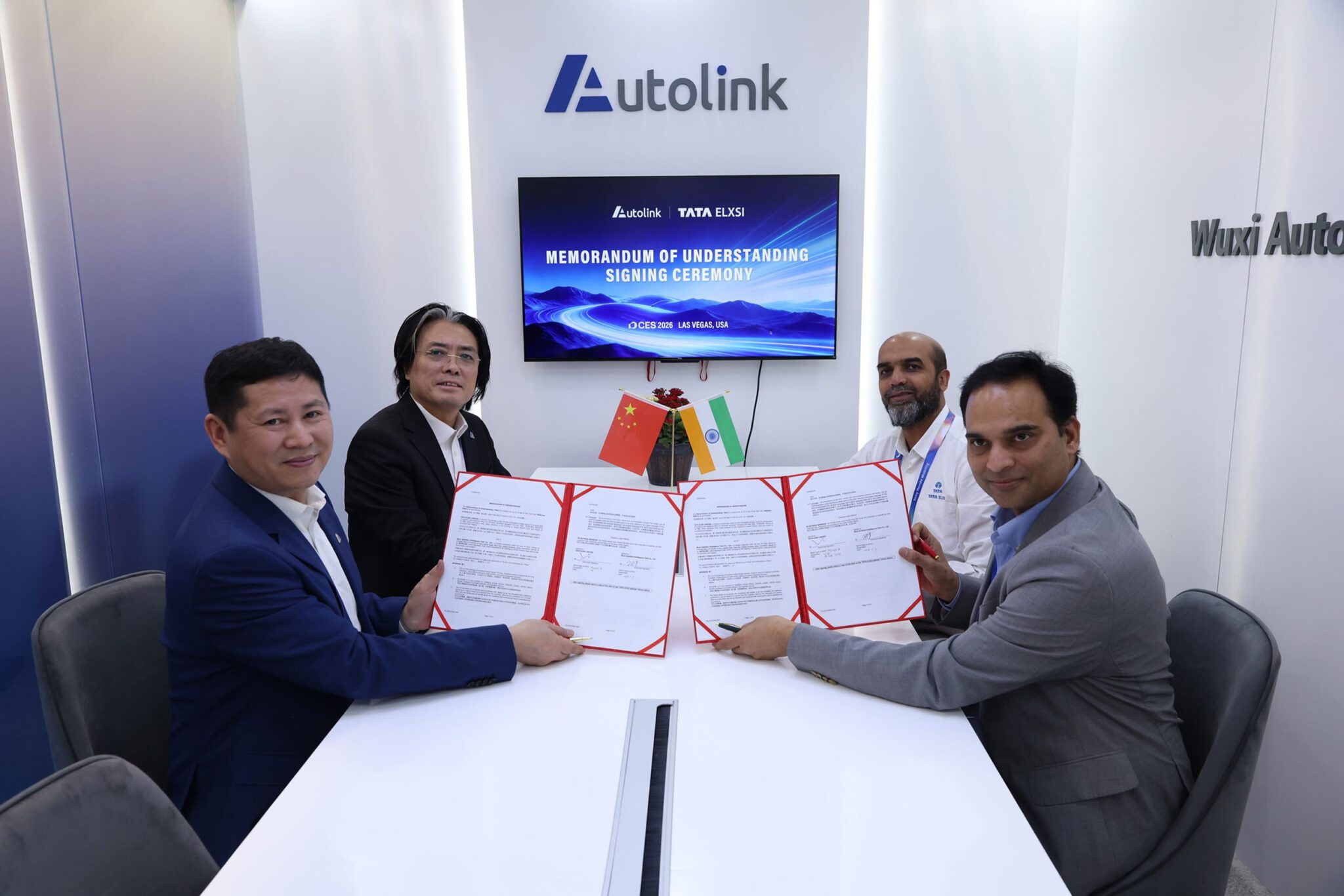
Autolink and Tata Elxsi push SDV shift

Global vehicle manufacturers are moving faster towards software-defined architectures as cost pressures, electrification targets and regulatory demands reshape how cars are designed and updated. Against this backdrop, automotive technology firm Autolink and engineering and digital services provider Tata Elxsi have signed a memorandum of understanding aimed at accelerating the adoption of software-defined vehicles for original equipment manufacturers across key markets.


The agreement focuses on combining Autolink’s experience in embedded automotive platforms and system integration with Tata Elxsi’s strengths in software engineering, digital validation and vehicle architecture design. The companies say the collaboration is intended to help global OEMs shorten development cycles, reduce costs and manage the growing complexity associated with SDV programmes, where software increasingly defines vehicle performance, safety features and user experience.

Software-defined vehicles represent a fundamental shift away from hardware-centric development. Instead of relying on fixed electronic control units tailored to specific functions, SDVs use centralised computing platforms and flexible software layers that can be updated over the air. This approach allows manufacturers to introduce new features, improve safety systems and meet evolving regulatory standards without redesigning physical components. Industry analysts note that while the model promises long-term efficiencies, the transition requires deep expertise in software integration, cybersecurity and functional safety.

Under the MoU, Autolink and Tata Elxsi plan to co-develop reference architectures, reusable software modules and validation frameworks that can be adapted by OEMs operating in different regions. The partnership also aims to support multiple vehicle domains, including powertrain, body electronics, infotainment and advanced driver assistance systems. By aligning development tools and processes, the firms intend to address one of the key bottlenecks in SDV rollouts: the fragmentation between hardware suppliers, software vendors and vehicle manufacturers.

Executives from both companies described the collaboration as a response to growing demand from OEMs seeking partners that can manage end-to-end SDV development. Carmakers are under pressure to deliver connected features comparable to consumer electronics while maintaining automotive-grade reliability and safety. At the same time, tighter emissions norms and cybersecurity regulations are adding layers of compliance that must be built into vehicle software from the outset.

Market data underscores why OEMs are reassessing their development strategies. Research groups tracking automotive software spending estimate that software content per vehicle is set to rise sharply over the decade, driven by electrification, connectivity and assisted driving features. This has prompted manufacturers to move away from proprietary, siloed systems towards open, scalable platforms that can be deployed across model ranges. Partnerships such as the Autolink–Tata Elxsi MoU are increasingly seen as a way to pool specialised skills without locking OEMs into single-vendor ecosystems.

Tata Elxsi has built a presence in automotive software through work on autonomous systems, human–machine interfaces and digital validation, while Autolink has focused on integrating embedded platforms with vehicle hardware. Industry observers say the combination could appeal to OEMs looking for practical deployment rather than experimental concepts. The emphasis on cost-effective and faster delivery reflects a broader shift in the sector, as manufacturers balance innovation with profitability in a highly competitive market.

The collaboration also reflects changing supply-chain dynamics in the automotive industry. Traditional tier-one suppliers are expanding their software capabilities, while technology firms are entering areas once dominated by mechanical engineering. This convergence has created gaps in accountability and integration that OEMs must manage carefully. By offering joint solutions, Autolink and Tata Elxsi are positioning themselves as partners that can bridge these gaps and reduce coordination risks.

Curefoods Secures ₹160 Crore Pre-IPO Investment

Curefoods India has secured ₹160 crore through a pre-IPO placement, allotting approximately 1.3 crore equity shares at ₹124 apiece to 3State Ventures, the investment vehicle led by Flipkart co-founder Binny Bansal.

The board of Curefoods approved the share allotment on 10 September, and shareholder ratification followed on 15 September, in line with regulatory disclosure norms. The fresh capital will be integrated into the sizing of its planned public offering under issuers’ capital-raising regulations.

Founded by Bengaluru-based entrepreneur Ankit Nagori, Curefoods operates a portfolio of digitally native food brands via cloud kitchens, kiosks, restaurants and central kitchens. As of March 2025, its presence spans over 500 service locations across more than 70 cities, comprising 281 cloud kitchens, 99 kiosks, 122 restaurants and five central kitchens. The company also holds pan-India rights for Krispy Kreme.

Curefoods filed its draft red herring prospectus in June 2025, targeting to raise up to ₹800 crore through a mix of fresh issuance and offer‐for‐sale by existing shareholders. The proceeds are intended for expansion of kitchen infrastructure, debt reduction, investment in its subsidiary Fan Hospitality, and working capital needs.

Prior to this placement, 3State Ventures was already among Curefoods’ principal backers. Post allotment, the investor’s stake will be accounted for in the IPO structure under SEBI’s Issue of Capital and Disclosure Requirements framework.

Financially, Curefoods posted a revenue jump from ₹3820 crore in FY23 to ₹7458 crore in FY25, reflecting a compound annual growth near 40 %. However, it posted a net loss of approximately ₹170 crore in FY25, only marginally improved from its FY24 loss of ₹173 crore.

Industry observers interpret the infusion as a signal of investor confidence in the cloud kitchen sector, particularly as food delivery consolidates and consumer demand for convenience grows. Curefoods faces competition from established and emerging players such as Rebel Foods, EatClub and others.

Radisson Debuts Resort in Khopoli, Maharashtra

Radisson Hotel Group has announced the opening of Radisson Resort Khopoli in Maharashtra, marking its latest addition to the state's hospitality sector. The resort is situated in the lush, green forests of Khopoli, offering a tranquil retreat away from hectic city life. It is located within easy reach of Mumbai and Pune, making it an ideal destination for both business and leisure travelers.

The resort features 115 rooms and suites, designed to provide guests with a comfortable and relaxing stay. Guests can enjoy authentic Indian cuisine and international flavors at the all-day dining restaurant or unwind at the on-site bar. For those seeking relaxation, the resort offers a spa with various treatments to restore balance and rejuvenate the senses.

In addition to its dining and wellness facilities, Radisson Resort Khopoli provides amenities such as an outdoor swimming pool, a modern gym, and well-equipped event spaces suitable for business meetings and social gatherings. The resort's strategic location near the Mumbai-Pune Expressway offers convenient access for travelers from both cities.

The appointment of Prakash Shankar as the new General Manager, effective 2nd September 2024, underscores the group's commitment to delivering exceptional guest experiences. With over 23 years of experience in the Indian hospitality sector, Shankar aims to lead the hotel's launch and operations, focusing on efficiency and guest satisfaction.

Mahindra SUV Sales Jump by 24% in September Amid Strong Demand

Mahindra & Mahindra continues to dominate India’s SUV market, reporting a significant 24% surge in SUV sales for September 2024. The automotive giant sold 51,062 SUVs during the month, compared to 41,656 units in September 2023, highlighting robust consumer demand across its product lineup. This growth is a part of the company’s broader success, with total vehicle sales—including commercial and passenger categories—rising 16% year-on-year to reach 75,812 units in September.

The surge in Mahindra’s SUV sales is primarily driven by high demand for popular models such as the XUV700, Scorpio N, and Bolero, which have consistently been key contributors to the brand’s domestic market performance. According to industry experts, the company's focus on enhancing features and technology in these models, combined with competitive pricing, has helped bolster its standing in an increasingly competitive market. The Scorpio N, in particular, continues to enjoy considerable traction, having maintained its appeal with its blend of rugged performance and advanced technology.

Veejay Nakra, President of Mahindra's Automotive Division, attributed this strong sales growth to the company's commitment to delivering premium SUVs that cater to a broad spectrum of customers. He noted that the company’s flagship models, particularly those in the mid-range and premium segments, have played a pivotal role in driving the company’s year-on-year growth. Mahindra’s portfolio is strategically positioned to capitalize on the ongoing consumer shift towards larger, feature-packed vehicles, which continues to shape India's evolving automotive market.

This 24% increase in SUV sales also highlights the strength of Mahindra's brand appeal amid growing competition from other domestic and international automakers. The Indian market has seen a wave of new entrants and product launches in the SUV segment, particularly as consumer preferences continue to shift away from sedans and smaller cars in favor of larger vehicles with enhanced space and off-road capabilities.

Mahindra’s rise in sales is reflective of the overall positive momentum in India’s automotive sector. The company’s total passenger vehicle sales, which include SUVs, grew by 16% compared to the same period last year. It is worth noting that this growth has been largely concentrated in the domestic market, where demand for SUVs continues to grow, fueled by improving economic conditions and consumer confidence.

Mahindra's September performance also comes on the heels of its strong August 2024 results, where the company reported a 16% growth in SUV sales, with 43,277 units sold. As competition heats up, Mahindra’s focus remains on delivering innovation through its SUV lineup. The launch of the Thar ROXX SUV has also been a major highlight for the brand, further positioning it to capture market share in the premium SUV segment.

Looking ahead, Mahindra aims to sustain this growth trajectory by expanding its product range, with a particular focus on electric vehicles (EVs). The company has already laid out plans to launch new electric variants of its popular models, seeking to gain an edge as the Indian government pushes for faster adoption of EVs. Mahindra's existing electric vehicles, such as the eVerito, have performed well in the commercial space, but the company is looking to ramp up its presence in the personal EV market with the upcoming XUV400 electric SUV.

GMR Airports Limited Named Among Most Trusted Companies Globally

GMR Airports Limited has distinguished itself as the only Indian airport operator to be recognized in the prestigious Newsweek's World's Most Trusted Companies survey 2024. This acknowledgment places GMR in an elite group within the Transport, Logistics, and Packaging category, underscoring its commitment to excellence in airport management and operations.

The survey, which evaluates companies based on their trustworthiness, included input from a diverse array of stakeholders, including consumers, employees, and industry experts. Trust is assessed through a combination of factors such as the quality of service, corporate transparency, ethical standards, and customer satisfaction. GMR’s consistent focus on these aspects has propelled it to the forefront of the industry, setting a benchmark for competitors.

GMR Airports, a part of the GMR Group, operates major airports in India, including the Indira Gandhi International Airport in Delhi and the Rajiv Gandhi International Airport in Hyderabad. These facilities are pivotal not only for domestic travel but also as international transit hubs. The company's emphasis on modern infrastructure, sustainability, and technological advancements has significantly enhanced passenger experience and operational efficiency.

One of the key components of GMR's strategy is its investment in technology. By adopting state-of-the-art systems, GMR Airports has streamlined operations, reduced wait times, and improved overall service quality. The implementation of contactless services and digital check-ins is part of a broader effort to enhance safety and convenience, especially in light of the challenges posed by the COVID-19 pandemic.

Sustainability remains a core principle at GMR Airports. The company has been proactive in integrating eco-friendly practices into its operations. This includes initiatives such as solar power generation, waste management programs, and water conservation efforts. These measures not only contribute to environmental sustainability but also resonate with the growing consumer preference for environmentally responsible companies, thereby enhancing trust.

GMR has invested significantly in community engagement. By fostering partnerships with local stakeholders and engaging in corporate social responsibility initiatives, the company has built a reputation that extends beyond its business operations. This approach not only benefits the communities surrounding its airports but also cultivates goodwill among customers and regulatory bodies.

GMR’s recognition as a trusted company reflects broader trends within the aviation sector. The travel and tourism industry has seen a notable shift towards prioritizing trust and transparency, particularly in a post-pandemic landscape. Passengers are increasingly making choices based on the perceived reliability and integrity of service providers. As trust becomes a pivotal factor in customer decision-making, companies like GMR that prioritize these values are likely to thrive.

In addition to operational excellence, GMR's strategic partnerships have been instrumental in its growth and reputation. Collaborating with global aviation leaders and leveraging international expertise has enabled GMR to adopt best practices and innovative solutions. These partnerships enhance GMR's competitive edge and solidify its position as a leader in airport management.

Looking forward, GMR Airports plans to expand its footprint in both domestic and international markets. The company is actively exploring opportunities to develop and manage new airport projects, which will further bolster its reputation and operational capacity. As air travel demand continues to rise, GMR's proactive approach positions it well to capitalize on emerging opportunities while maintaining its commitment to trust and quality.

As the only Indian airport developer featured in this esteemed list, GMR Airports Limited not only sets a high standard for itself but also for the industry at large. This recognition is a testament to the hard work and dedication of its team, as well as the effective strategies implemented over the years. With its continued focus on trust, sustainability, and innovation, GMR is poised to maintain its leadership role in the aviation sector.

Tupperware Brands Seeks Chapter 11 Protection Amid Financial Struggles

Tupperware Brands, the well-known manufacturer of food storage solutions, has filed for Chapter 11 bankruptcy protection, facing significant financial difficulties. The company's move comes in response to declining sales and ongoing fiscal challenges that have left it struggling to maintain its market position and financial stability.

As part of its Chapter 11 filing, Tupperware has outlined plans to seek court approval for a sale process, aimed at finding a buyer or strategic partner to help stabilize its operations. Despite the bankruptcy filing, the company intends to continue its day-to-day operations during the restructuring process, with the goal of restructuring its debts and revamping its business model to return to profitability.

This decision marks a critical juncture for Tupperware, which has experienced a sharp decline in revenue in recent years. The company, known for its iconic plastic containers and kitchenware, has been grappling with a range of issues including decreased consumer demand, competition from newer brands, and broader shifts in the retail market that have impacted its sales.

The company’s filing comes after a prolonged period of financial strain, exacerbated by challenges such as shifting consumer preferences and disruptions in global supply chains. Tupperware has been struggling to adapt to changes in the market and to realign its business strategy to meet evolving consumer needs and preferences.

The bankruptcy proceedings will allow Tupperware to reorganize its operations and renegotiate its obligations with creditors. This process will also involve evaluating potential strategic options, including the possibility of selling assets or restructuring the company’s business model to better align with market demands. The company is expected to work closely with its legal and financial advisors to navigate the complex bankruptcy process and implement a turnaround strategy.

Tupperware’s decision to file for Chapter 11 reflects broader trends in the consumer goods industry, where many established brands are facing significant challenges due to changes in consumer behavior and market dynamics. The company’s struggles are emblematic of the difficulties faced by traditional brands in adapting to the digital age and shifting retail landscape.

The bankruptcy filing has raised questions about the future of Tupperware and its ability to recover from its financial troubles. Analysts will be closely watching the proceedings to assess the company’s prospects for a successful turnaround and to gauge the impact on its employees, customers, and stakeholders.

In the interim, Tupperware has assured stakeholders that it remains committed to its operations and to fulfilling its obligations to customers and suppliers. The company has indicated that it plans to use the bankruptcy process as an opportunity to strengthen its business foundation and to emerge as a more agile and competitive player in the market.

SpiceJet’s ₹3,000-Crore QIP Garners Oversubscription

SpiceJet’s latest fundraising effort through a Qualified Institutional Placement (QIP) has seen an overwhelming response from investors, highlighting strong confidence in the airline’s future. The ₹3,000-crore issue, which includes significant backing from prominent investors like Tata Mutual Fund and Bandhan Bank, was heavily oversubscribed, indicating robust interest in SpiceJet’s growth prospects.

This QIP is a critical component of SpiceJet’s strategy to address several pressing financial needs. The capital raised is earmarked for essential purposes such as revitalizing its grounded fleet and settling outstanding dues with employees. The airline’s move to secure such a substantial investment reflects its proactive approach towards strengthening its financial stability and operational capabilities.

The oversubscription of this QIP underscores the optimism surrounding SpiceJet’s potential in the burgeoning Indian aviation sector. Investors’ willingness to participate in the placement, despite broader market uncertainties, signals a belief in the airline’s ability to navigate its challenges and capitalize on future growth opportunities. This strong investor confidence is seen as a positive indicator of SpiceJet’s strategic direction and market positioning.

As the funds flow into SpiceJet, the airline is expected to use them to resume operations of its idle aircraft, which have been a significant concern affecting its service capacity and overall operational efficiency. By addressing these operational hurdles, SpiceJet aims to enhance its market presence and competitiveness in the rapidly expanding aviation market in India.

The successful completion of the QIP also provides a much-needed boost to SpiceJet’s financial health. With the funds allocated for settling employee dues, the airline is poised to resolve one of its critical internal challenges, thus improving workforce morale and operational efficiency. This move is expected to foster a more stable and motivated work environment, essential for maintaining high service standards and operational effectiveness.

Investor enthusiasm for SpiceJet’s QIP can be attributed to the airline’s strategic efforts to position itself effectively within the Indian aviation market. The sector has seen significant growth in recent years, driven by increasing passenger demand and expanding connectivity across the country. SpiceJet’s ability to leverage these trends, coupled with its renewed focus on operational efficiency, positions it well to capture a larger share of this growing market.

In addition to the immediate financial benefits, the successful QIP also enhances SpiceJet’s overall market credibility. It demonstrates the airline’s ability to attract substantial institutional investment, which can be pivotal for its future endeavors and strategic initiatives. This credibility boost is likely to support SpiceJet in securing additional investments and partnerships, further strengthening its position in the competitive aviation landscape.

The QIP's success is also indicative of a broader trend in the Indian aviation sector, where airlines are increasingly exploring innovative financial strategies to support their growth and operational requirements. SpiceJet’s approach serves as a case study for other players in the industry, illustrating how targeted fundraising efforts can effectively address financial and operational challenges.

SpiceJet Admits ₹3500 Crore TDS and PF Payment Default

SpiceJet has disclosed a substantial shortfall in payments, revealing that it has failed to remit ₹3500 crore in taxes and provident fund contributions. The announcement comes amidst a broader financial struggle for the airline, which has been grappling with mounting debts and operational challenges.

The airline's admission of the non-payment of taxes and provident fund contributions has sparked considerable concern among stakeholders, including employees and investors. This situation arises in a context of financial distress, with SpiceJet facing severe cash flow issues and mounting operational costs. The failure to pay taxes and provident fund contributions not only jeopardizes the company's financial stability but also raises questions about its adherence to regulatory and ethical standards.

The outstanding amount, which encompasses both income tax deducted at source (TDS) and employees' provident fund (PF) contributions, highlights a significant lapse in the airline's financial management. This revelation is particularly alarming given the critical role these payments play in safeguarding employee benefits and ensuring compliance with tax regulations. The unpaid amounts are likely to attract penalties and legal consequences, exacerbating the company's financial woes.

SpiceJet's financial difficulties have been well-documented over the past few years. The airline has faced persistent challenges including high fuel costs, fluctuating demand, and increasing competition. These factors have contributed to its precarious financial situation, leading to operational cutbacks and restructuring efforts. Despite these challenges, the failure to meet tax and provident fund obligations underscores a deeper issue within the company's financial oversight.

The company's disclosure is part of a broader trend of financial distress in the aviation sector, where airlines worldwide are grappling with the repercussions of the COVID-19 pandemic. The industry has been significantly impacted by travel restrictions, reduced passenger volumes, and increased operational costs. As airlines attempt to recover, many are facing financial pressures that test their ability to manage both day-to-day operations and compliance with financial obligations.

SpiceJet's admission follows increased scrutiny of its financial practices by regulators and auditors. The airline has been under investigation for various compliance issues, and the revelation of unpaid taxes and provident fund contributions is likely to intensify the focus on its financial practices. This situation could lead to further regulatory action and potential penalties, further straining the company's resources.

Employees are particularly affected by the failure to remit provident fund contributions. These contributions are a crucial part of employee benefits, intended to provide financial security and retirement savings. The non-payment of these funds could result in significant financial hardship for employees who rely on these contributions for their future security.

In addition to employee concerns, the failure to remit taxes raises questions about the company's financial governance. Tax compliance is a critical aspect of corporate responsibility, and lapses in this area can lead to legal and reputational consequences. For SpiceJet, this revelation is likely to erode trust among investors and stakeholders, potentially impacting its ability to secure future financing and partnerships.

The broader implications of SpiceJet's financial struggles are also significant. As one of India's major airlines, the company's challenges reflect the broader pressures facing the aviation sector in the country. The sector is crucial to the nation's connectivity and economic development, and disruptions at major carriers like SpiceJet can have ripple effects throughout the industry.

SpiceJet's failure to meet its financial obligations comes at a time when the airline is seeking to stabilize its operations and address its financial challenges. The company's management has been exploring various strategies to address its debt and operational issues, including cost-cutting measures and restructuring initiatives. However, the revelation of unpaid taxes and provident fund contributions adds a new layer of complexity to these efforts.

Torrent Power's Bold Renewable Investment Plan Aims for 10 GW by 2030

Torrent Power has made a significant commitment to expand India's renewable energy capacity, unveiling plans to invest Rs 64,000 crore by 2030. The company has set ambitious targets, aiming to achieve 10 GW of renewable energy capacity, including substantial solar and wind power projects. A Memorandum of Understanding (MoU) was signed with Gujarat for a 5 GW solar and wind hybrid project.

In addition to this, Torrent Power is venturing into green ammonia production with a planned capacity of 1,00,000 Kilo Tonnes Per Annum (KTPA). This facility will require an estimated Rs 7,200 crore investment and create 1,000 jobs. These initiatives are part of a broader push toward green energy, aligning with India's national renewable energy goals of 500 GW by 2030.

Zoho Analytics Reinvents BI with OpenAI and AI-Driven Capabilities

Zoho Corporation has released an enhanced version of Zoho Analytics, integrating new self-service business intelligence (BI) tools and extensive AI features, setting a new benchmark in data analytics. This latest iteration is designed to cater to both data-savvy professionals and non-technical users, offering streamlined access to data insights through AI-driven tools like OpenAI integration and diagnostic analysis features.

Launched originally in 2009 under the name Zoho Reports, Zoho Analytics has evolved over the years, continually aligning itself with emerging technologies in automation and data science. The new release highlights over 100 updates, making it one of the most comprehensive upgrades in Zoho's BI offerings to date. Central to this evolution are several advanced tools that enable businesses to delve deeper into their data with minimal technical input.

At the heart of this upgrade is the integration with OpenAI, designed to simplify complex data analysis tasks. By incorporating OpenAI's capabilities, users can now leverage retrieval-augmented generation (RAG) and APIs to access and query public datasets, create formulas, and write SQL queries effortlessly. This move democratizes access to high-level BI tools, which were once only accessible to large enterprises with specialized teams.

Zoho Analytics also features a significant update to its AI-based tool, Zia Insights, which has been enhanced to provide diagnostic analysis in natural language. This tool allows users to ask questions in everyday language and receive answers in the form of reports, dashboards, or visualizations, without needing to manually sift through the data. Zia can now operate in multiple languages, including Spanish and French, expanding its usability to a broader audience.

The platform’s Auto Analysis feature introduces AI-driven automation, enabling metrics, dashboards, and reports to be generated automatically based on pre-existing data. With this automation, companies can focus on decision-making rather than spending time on manual report creation. In addition, the system’s AI model builder, now equipped with AutoML (a no-code assistant), helps users create custom machine learning models with minimal input.

In the realm of data science, Zoho Analytics now comes with the Data Science and Machine Learning Studio (DSML), which includes a Python Code Studio where users can build, import, or integrate their own models. This flexibility positions Zoho as a leading tool for companies looking to bridge the gap between data management and machine learning without the need for extensive technical expertise.

The platform’s integration capabilities have also been expanded, allowing seamless connectivity with third-party BI platforms like Power BI and Tableau. Through the Unified Metrics Layer, businesses can standardize and monitor metrics across different platforms, further enhancing the potential for multi-source data analysis.

To ensure scalability, Zoho has introduced tools like the visual pipeline builder and a headless BI mode, allowing businesses to manage data flows and integrate their insights into other applications in real-time. These updates are particularly beneficial for enterprises handling large volumes of data from various sources, as they facilitate streamlined data orchestration across different platforms and workflows.

Adani Group Ranked 736 in TIME's Top Global Companies of 2024

The Adani Group has earned a notable position in TIME magazine's World's Best Companies of 2024 list, securing the 736th spot. This achievement highlights the group's ongoing commitment to excellence in employee satisfaction, revenue expansion, and sustainable practices.

TIME's annual list, which evaluates companies based on their performance, innovation, and overall impact, has recognized eight out of eleven Adani companies. This extensive inclusion reflects the group's diverse business interests and its significant footprint across various sectors.

The Adani Group’s rise to prominence in this global ranking is driven by its robust growth trajectory and operational excellence. Over the past year, the conglomerate has demonstrated substantial revenue growth, which has been a key factor in its high ranking. This growth is attributed to the group's strategic expansions and investments in sectors such as infrastructure, energy, and logistics.

Employee satisfaction has also been a focal point for the Adani Group. The company has implemented several initiatives aimed at enhancing workplace culture and employee well-being. These efforts have contributed to a positive work environment, which is a critical criterion in TIME's assessment.

Sustainability remains a core aspect of the Adani Group's operations. The company has invested heavily in green technologies and practices, aligning with global environmental standards. This commitment to sustainability is reflected in the group's efforts to reduce carbon emissions and enhance resource efficiency across its various businesses.

The inclusion of Adani Group’s companies in TIME’s list underscores its significant role in the global business landscape. Each of the eight listed companies has been recognized for its contributions to their respective industries and for setting benchmarks in operational efficiency and innovation.

The ranking also highlights the group's ability to navigate complex market dynamics and its resilience in adapting to changing economic conditions. By focusing on key areas such as infrastructure development, renewable energy, and logistics, the Adani Group has positioned itself as a leading player in these sectors.

In addition to its business achievements, the Adani Group has also been acknowledged for its social contributions. The company's community engagement programs and corporate social responsibility initiatives have positively impacted various communities, further enhancing its reputation.

The recognition by TIME magazine serves as a testament to the Adani Group’s strategic vision and its effective execution of business strategies. It also reflects the group's ability to balance growth with responsible business practices, ensuring long-term success and sustainability.

As the Adani Group continues to expand its global presence, its inclusion in TIME's list reaffirms its status as a key player in the international business arena. The group's ongoing focus on innovation, sustainability, and employee welfare remains central to its continued success and influence in the global market.

Max Healthcare Takes Major Stake in Jaypee Healthcare

Max Healthcare Institute has announced its acquisition of a 64% stake in Jaypee Healthcare for Rs 1,660 crore, a significant move aimed at expanding its footprint in the Indian healthcare sector. This strategic investment grants Max Healthcare control over Jaypee Healthcare's flagship 500-bed hospital located in Noida, marking a pivotal shift in the competitive landscape of private healthcare providers in the region.

The deal, finalized on September 14, 2024, aligns with Max Healthcare's broader strategy to enhance its market presence and service offerings. This acquisition is poised to bolster Max Healthcare’s operational scale and diversify its healthcare services, reinforcing its position as a leading healthcare provider in India.

Jaypee Healthcare, part of the Jaypee Group, has been a notable player in the healthcare sector, with its flagship hospital in Noida serving as a major healthcare hub in the region. The hospital is recognized for its comprehensive range of medical services and advanced facilities. By securing a majority stake, Max Healthcare aims to integrate the hospital into its network, promising enhanced care options and operational synergies.

This acquisition is expected to yield significant benefits for both parties. For Max Healthcare, it represents an opportunity to consolidate its presence in the North Indian market and leverage Jaypee Healthcare’s established infrastructure and patient base. On the other hand, Jaypee Healthcare will gain access to Max Healthcare’s extensive resources and expertise, potentially enhancing its operational efficiency and service quality.

Industry analysts view this acquisition as a strategic move in a highly competitive healthcare market. Max Healthcare’s investment aligns with a broader trend of consolidation in the healthcare industry, where larger entities are acquiring smaller or mid-sized players to expand their service offerings and geographical reach. This consolidation trend is driven by the increasing demand for quality healthcare services and the need for greater operational efficiencies.

Max Healthcare's growth trajectory over the past decade has been marked by several key acquisitions and expansions, positioning it as a prominent player in the Indian healthcare landscape. The acquisition of Jaypee Healthcare is expected to further strengthen its market position and drive growth. With a portfolio that includes a wide range of hospitals, diagnostic centers, and specialized clinics, Max Healthcare’s strategy has been focused on expanding its reach and enhancing patient care through strategic partnerships and acquisitions.

The deal also highlights the ongoing interest of major healthcare providers in expanding their presence in India’s burgeoning healthcare sector. With the country’s increasing focus on improving healthcare infrastructure and access to quality care, investments in healthcare facilities and services have become a priority for both domestic and international investors.

In the context of this acquisition, Max Healthcare's leadership has expressed optimism about the potential synergies and opportunities that will arise from integrating Jaypee Healthcare’s operations. The consolidation is expected to enhance the quality of care provided to patients and create a more comprehensive network of healthcare services across North India.

Infosys and Financial Times collaborate on immersive economic simulator

Infosys, in collaboration with *The Financial Times*, has introduced an innovative educational tool aimed at reshaping economics education through cutting-edge technology. Known as the "FT Money Machine," this digital twin of the iconic Moniac economic simulator uses Apple Vision Pro to create an interactive learning experience. The partnership between the Indian tech giant and the globally renowned financial newspaper has brought to life a model that fuses economics and technology, taking immersive learning to a new level.

Launched as an homage to the Moniac (Monetary National Income Analogue Computer), the new simulator offers a hands-on approach to teaching the flow of money and macroeconomic principles. Originally built by New Zealand economist Bill Phillips in the late 1940s, the Moniac was a hydraulic-based computer that demonstrated the relationship between various sectors of an economy. Phillips’ model, using water to simulate money, visually illustrated economic dynamics such as inflation, investment, consumption, and taxation. The FT Money Machine is a modern digital reincarnation of this idea, updated to serve today’s education needs in a digitally driven world.

Leveraging the capabilities of Apple Vision Pro, the FT Money Machine creates an extended reality (XR) environment, allowing users to explore and interact with economic concepts in a way that traditional models cannot. The immersive experience offers users the ability to manipulate different economic variables and observe the real-time effects on a virtual economy. This transformative approach to education has been heralded as a major advancement in how complex financial systems are taught, particularly in classrooms and corporate training environments.

The initiative is expected to enhance economics education by offering a more intuitive way to understand the flow of capital in an economy. This digital transformation, driven by Infosys’ expertise in AI and technology, allows educators and learners alike to engage with economic models more effectively. With Apple Vision Pro’s spatial computing capabilities, the simulation breaks the constraints of two-dimensional learning, providing a three-dimensional understanding of money flow, supply and demand, and other macroeconomic indicators.

While the Moniac relied on water-filled pipes and tanks to visualize the movement of money through an economy, the FT Money Machine uses advanced XR technology to simulate the same flow digitally. Participants can adjust variables such as government spending, interest rates, or tax policies to see how different decisions impact inflation, GDP growth, and other key economic metrics. This interactive setup helps demystify complex economic theories by offering a tangible, real-time visualization of these principles in action.

Infosys’ role in the creation of the FT Money Machine is central, with the company bringing its technological prowess to bear on the project. Known for its expertise in cloud computing, artificial intelligence, and XR, Infosys has been at the forefront of educational technology innovations. This collaboration with *The Financial Times* represents another milestone in its broader mission to blend technology with education, creating tools that are both cutting-edge and accessible to a global audience.

The Apple Vision Pro headset, which serves as the hardware backbone for the FT Money Machine, adds a level of immersion and realism that had previously been unattainable in educational simulations. Apple’s device, with its high-resolution display and ability to track head and hand movements, ensures that users are not merely passive observers but active participants in the simulation. This interactive nature of the FT Money Machine is what sets it apart from traditional teaching tools. Users can move through the virtual space, adjusting different components of the economy and seeing the immediate impact of their decisions.

Furthermore, the collaboration between Infosys and *The Financial Times* underscores the growing trend of partnerships between technology companies and media organizations. *The Financial Times*, one of the world’s most respected financial newspapers, has long been a trusted source of information on global economic trends. Its decision to co-develop the FT Money Machine reflects its commitment to staying ahead in a rapidly digitizing world. With readers increasingly expecting dynamic and engaging content, this partnership signals a broader shift towards blending news, education, and interactive technologies.

This joint effort has also been praised for its potential to democratize access to economic education. Traditional models for learning about the economy, particularly those based on complex formulas and theories, can be difficult for many to grasp. The FT Money Machine, however, offers a more intuitive and engaging way to learn these concepts, which is expected to be especially appealing to younger audiences and those with little formal economics training.

Educational institutions, both secondary and tertiary, are expected to benefit from this innovation. By providing students with the ability to engage with economic concepts through a fully immersive platform, educators can enhance traditional methods of teaching, offering students a more hands-on experience. This tool could also become a valuable asset for corporate training programs, particularly in sectors such as finance, business, and economics.

While the FT Money Machine’s primary focus is education, its implications go beyond the classroom. Corporate leaders and policymakers can also leverage the simulator to model economic scenarios, testing the potential impact of various policies or market conditions before making real-world decisions. By offering a controlled, virtual environment where economic theories can be tested, the FT Money Machine may serve as a powerful tool in both academic and professional settings.

Addverb Unveils New Mobile Robot Manufacturing Facility in Greater Noida

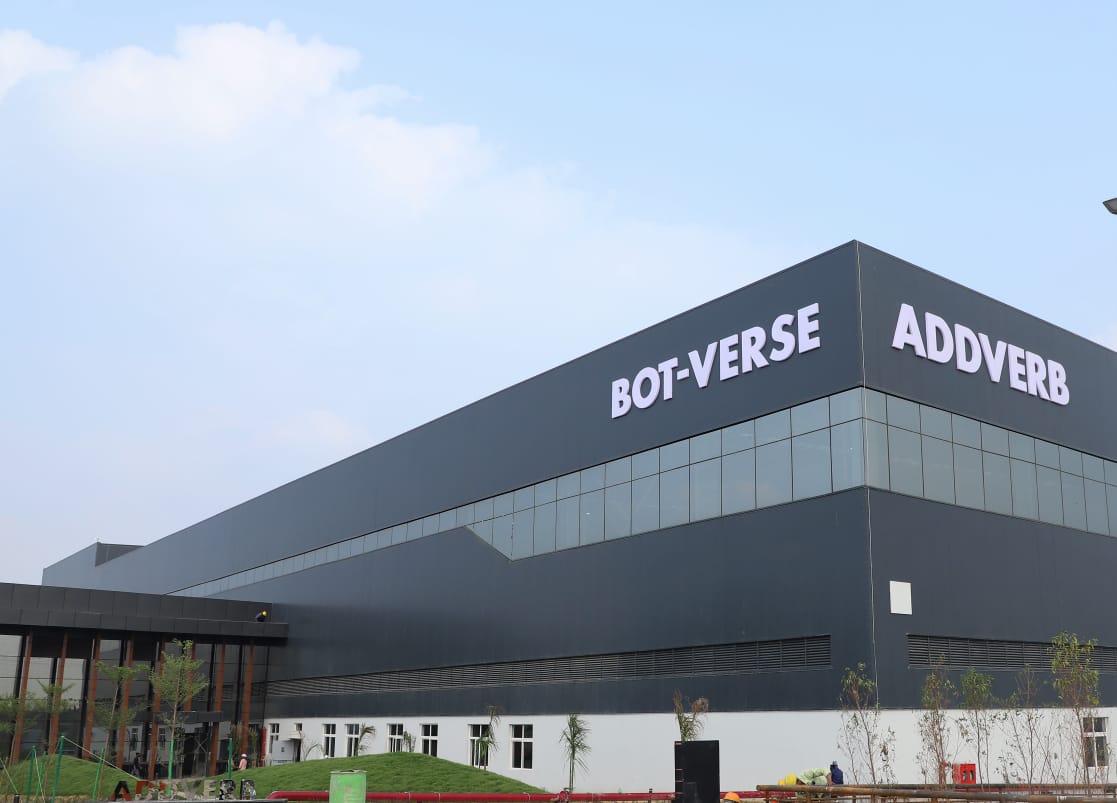
Addverb Technologies has inaugurated a state-of-the-art mobile robot manufacturing facility in Greater Noida, marking a significant expansion in its operational capacity. This new plant, situated in the high-tech industrial hub, is set to become a key player in the global robotics market, positioning Addverb as a major contributor to the industry's growth.

The newly established facility spans over 100,000 square feet and is equipped with advanced robotics and automation technologies. This setup allows for the production of a wide range of mobile robots designed to enhance efficiency and productivity in various sectors, including logistics, manufacturing, and retail. The plant's sophisticated infrastructure supports high-volume production and incorporates cutting-edge technologies aimed at ensuring superior quality and reliability of the robots.

Addverb’s latest expansion is poised to bolster its global presence and meet the rising demand for automated solutions. The company’s decision to scale up its production capabilities comes at a time when industries worldwide are increasingly adopting automation to streamline operations and improve operational efficiency. This move not only reflects the growing market for robotics but also signifies Addverb’s commitment to leading innovation in this space.

The Greater Noida facility will play a pivotal role in the company’s strategy to deliver high-performance robotic solutions. It is expected to significantly enhance Addverb's production capacity and reduce lead times for its customers. The plant will feature an advanced assembly line, equipped with high-precision machinery and testing equipment to ensure the highest standards of product quality.

In addition to its technological advancements, the facility is designed with a focus on sustainability. Addverb has implemented eco-friendly practices in the construction and operation of the plant, including energy-efficient systems and waste reduction measures. This aligns with the company’s broader goal of contributing positively to the environment while advancing technological innovation.

The new plant also represents a substantial investment in local employment. The facility is expected to create numerous job opportunities in Greater Noida, spanning various roles from engineering and manufacturing to support and administrative positions. This initiative underscores Addverb’s dedication to contributing to the regional economy and supporting local talent.

The strategic location of the Greater Noida facility is advantageous for Addverb, providing proximity to key markets and supply chains. This geographic positioning allows the company to leverage local infrastructure and resources, enhancing its ability to deliver products swiftly and efficiently to customers both domestically and internationally.

Addverb Technologies has been at the forefront of developing innovative automation solutions, and this new facility is a testament to its ongoing efforts to lead the industry. The company’s expansion aligns with broader trends in the robotics sector, where there is a strong emphasis on integrating advanced technologies to meet evolving market needs.

As the global market for robotics continues to expand, Addverb’s new manufacturing plant in Greater Noida is expected to play a crucial role in shaping the future of automation. The facility will enable the company to scale its operations effectively and continue driving advancements in robotics technology, solidifying its position as a key player in the global market.

SEBI Demands Rs 25 Crore from Karvy Broking, CMD

The Securities and Exchange Board of India (SEBI) has issued a demand notice to Karvy Stock Broking Ltd (KSBL) and its Chief Managing Director, C. Parthasarathy, for the payment of approximately Rs 25 crore. This action follows the firm's failure to pay fines imposed for the misappropriation of client funds.

KSBL and Parthasarathy were previously barred from the securities market for seven years in April 2023, and SEBI imposed a total penalty of Rs 21 crore on them. The fines were divided into Rs 13 crore for KSBL and Rs 8 crore for Parthasarathy, in response to the misuse of the Power of Attorney granted by their clients to raise funds unlawfully.

Despite these penalties, KSBL did not comply with SEBI's directives, leading to the current notice demanding Rs 15.21 crore from KSBL and Rs 9.36 crore from Parthasarathy, inclusive of interest and recovery costs. SEBI has mandated that these amounts be paid within 15 days to avoid further enforcement actions.

SEBI's investigation revealed that KSBL had mobilized significant assets by pledging client securities and raising funds from financial institutions, which were then diverted to related entities. This misuse of funds resulted in KSBL defaulting on its obligations to settle securities and funds with its clients.

To ensure compliance, SEBI has threatened severe measures including the attachment and sale of bank accounts and properties, as well as potential arrest and detention of Parthasarathy if the dues are not settled.

The regulatory body's actions reflect its commitment to maintaining integrity in the financial markets and protecting the interests of investors.

IndiGo Reports Q1 FY 2024-25 Profit Amid Revenue Growth

IndiGo has reported a profit of ₹2,729 crore for the first quarter of the fiscal year 2024-25, marking a 12% decline compared to the same period last year. Despite this decrease in profit, the airline's revenue surged by 17%, reaching ₹19,571 crore.

The profit decline is attributed to increased operational costs and competitive pressures in the aviation sector. However, the revenue boost highlights IndiGo's ability to enhance its market share and operational efficiency amidst a challenging environment.

In response to evolving market demands and customer expectations, IndiGo's CEO unveiled several new initiatives aimed at improving customer engagement. These initiatives include enhanced digital platforms for booking and customer service, as well as loyalty programs designed to attract and retain passengers. The airline aims to leverage these measures to strengthen its position in the competitive aviation market.

IndiGo’s financial health remains robust, with a substantial cash balance of ₹36,100.6 crore. This strong liquidity position provides the airline with a solid foundation to navigate future challenges and invest in growth opportunities. Conversely, the airline's total debt stands at ₹52,526.4 crore, reflecting ongoing borrowing to support its expansion and operational needs.

The airline's revenue growth is seen as a positive indicator of its strategic adjustments and resilience. IndiGo continues to expand its network and enhance its service offerings, striving to maintain its leadership position in the Indian aviation sector.

As IndiGo moves forward, its focus will likely remain on balancing profitability with growth, while addressing the financial pressures that come with its expansive operations. The airline’s efforts to improve customer experience and operational efficiency will be crucial in sustaining its competitive edge and achieving long-term success.

Bluelearn Shuts Down, Returns Capital to Investors

Bluelearn, a platform designed to enhance skills and facilitate job placement, has ceased operations and is returning 70% of the capital it raised to its investors. The company, backed by Elevation Capital, was established by Harish Uthayakumar and Shreyans Sancheti with the goal of providing equitable opportunities for students.

Founded with the mission of democratizing access to upskilling resources and employment opportunities, Bluelearn aimed to bridge gaps in education and career development. Despite its ambitions, the platform struggled to sustain its operations, leading to its shutdown. This decision follows a wave of similar closures among startups, reflecting broader challenges within the tech and educational technology sectors.

Bluelearn’s closure is significant in the context of the startup ecosystem, particularly in the upskilling and career development niche. The company's founders were noted for their innovative approach to addressing educational inequalities. However, the competitive landscape and operational hurdles contributed to its downfall.

The return of 70% of the raised capital is a notable move, reflecting the company's commitment to its investors amid its operational challenges. This action also highlights the financial strains faced by startups, particularly those in highly competitive fields like edtech.

The broader trend of startups shutting down underscores the volatile nature of the tech industry. Companies in various sectors are grappling with financial pressures, market competition, and changing consumer behaviors. Bluelearn’s closure adds to the list of ventures that have struggled to achieve long-term viability in a rapidly evolving market.

As the industry absorbs the impact of Bluelearn's exit, the focus is shifting to how other startups and educational platforms will adapt and innovate to meet the needs of students and job seekers. The challenges faced by Bluelearn serve as a case study for the sector, providing insights into the difficulties of sustaining a startup in the competitive realm of educational technology.

This development serves as a reminder of the dynamic nature of the startup ecosystem, where even well-intentioned and innovative ventures can face significant hurdles. The closure of Bluelearn emphasizes the need for adaptability and resilience in the face of evolving market demands and financial pressures.

Ramco Systems Drives Innovation with New Products and Investments

Ramco Systems, a prominent player in enterprise software solutions, is marking a significant turnaround with its latest strategic investments and innovative product launches. The company, known for its comprehensive suite of enterprise resource planning (ERP) and human capital management (HCM) solutions, has recently intensified its focus on innovation to enhance efficiency and productivity for its clients.

In recent months, Ramco Systems has introduced several new products designed to address the evolving needs of businesses in an increasingly digital landscape. Among these is the enhanced Ramco ERP suite, which integrates advanced analytics and artificial intelligence (AI) capabilities. This new version aims to provide businesses with more actionable insights and streamline operations through predictive analytics, helping organizations make data-driven decisions with greater accuracy.

The company has also expanded its portfolio with new cloud-based solutions tailored for industries such as manufacturing, healthcare, and logistics. These solutions are intended to offer flexibility and scalability, crucial for businesses adapting to rapidly changing market conditions. By leveraging cloud technology, Ramco Systems allows clients to reduce operational costs while maintaining robust performance and security.

Ramco's commitment to innovation is evident in its strategic partnerships and investments. The company has forged alliances with leading technology providers to integrate cutting-edge technologies into its products. For instance, Ramco has partnered with AI firms to enhance its machine learning algorithms, thereby improving the efficiency of its software solutions. These collaborations are aimed at delivering more sophisticated tools that align with the latest industry trends and technological advancements.

The company's financial performance has shown positive momentum, reflecting the success of its new strategies. Ramco Systems reported a notable increase in revenue, driven by strong demand for its updated products and services. This financial uplift indicates that the company's emphasis on innovation is resonating with its client base, leading to improved customer satisfaction and retention.

Industry analysts have highlighted Ramco's ability to adapt to market demands and its proactive approach to integrating emerging technologies. This adaptability is crucial in a competitive market where technology trends evolve rapidly, and businesses seek solutions that can offer a competitive edge. Ramco's focus on leveraging AI, machine learning, and cloud computing aligns with broader industry trends toward digital transformation.

The company’s strategic investments also extend to its global expansion efforts. Ramco Systems has made significant strides in increasing its presence in emerging markets, where there is growing demand for advanced ERP and HCM solutions. By establishing new regional offices and expanding its partner network, Ramco aims to tap into these high-growth areas and offer localized solutions to meet diverse market needs.

Despite the challenges posed by the global economic environment and technological disruptions, Ramco Systems is positioning itself as a leader in the enterprise software sector. The company's ongoing efforts to innovate and invest strategically are indicative of its commitment to providing cutting-edge solutions that drive efficiency and productivity for its clients.

As Ramco Systems continues to roll out new products and forge strategic partnerships, its impact on the enterprise software landscape is expected to grow. The company's focus on delivering advanced solutions tailored to the needs of modern businesses underscores its role as a key player in the ongoing digital transformation of enterprises worldwide.