
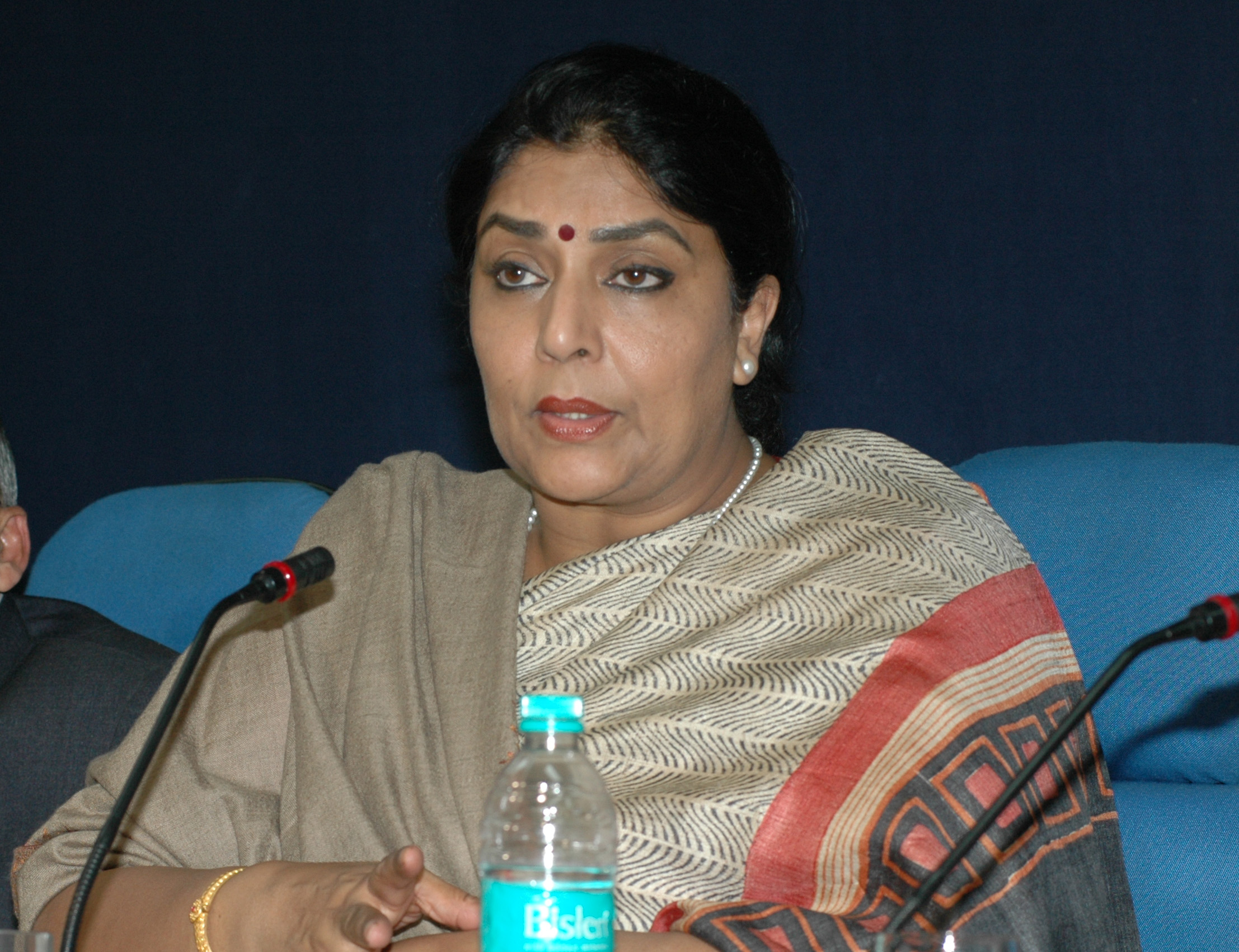
 Congress Rajya Sabha member Renuka Chowdhury has been served a privilege-breach notice by the Parliament Secretariat over her action of bringing a stray dog into the parliamentary precincts during the Winter Session and for subsequent remarks about fellow lawmakers. The notice, issued by the Rajya Sabha Secretariat, requires a formal response from Chowdhury by 23 February, setting up a new flashpoint in what has become one of this session’s most unusual controversies.
 Chowdhury, a veteran parliamentarian from Telangana who has served multiple terms in both houses and held cabinet portfolios in past governments, triggered debate when she arrived at the high-security complex with the animal on the first day of the Winter Session. Parliamentary conduct rules and security protocols expressly bar unauthorised persons and pets from entering the premises, and the brief presence of the dog on site was flagged by officials for possible procedural violation.
The notice cites her conduct and her statements about members of Parliament during exchanges with media as grounds for potential privilege breach. Lawmakers found to have breached parliamentary privilege can be called to explain their actions under established rules governing behaviour and decorum in the country’s legislature.
Chowdhury has defended her actions by saying she found the dog close to where a road collision had occurred and brought it into the parliamentary area to ensure its safety before sending it home. When pressed over the incident earlier, she drew an analogy between the animal and critics inside Parliament, telling reporters that those “who bite are sitting inside Parliament”. Her remarks prompted sharp reactions from rival lawmakers and intensified scrutiny of her conduct.
Members of the ruling coalition criticised Chowdhury’s behaviour as undermining parliamentary dignity. A senior spokesperson for the governing alliance described her analogy as offensive and argued that bringing unauthorised animals onto the premises, regardless of intent, was unacceptable. Such opponents have urged strict application of the rules to maintain the sanctity and security of the legislature.
Chowdhury’s own party colleagues, while urging respect for parliamentary norms, also called for perspective on her motives, noting that she had promptly sent the dog away once inside and that her statements were aimed at highlighting perceived priorities of the government. The Leader of the Opposition in the Lok Sabha later referenced the dog episode to question focus on substantive issues, suggesting that political energy could be better spent on legislative work.
This is not the first time Chowdhury’s parliamentary conduct has drawn attention. Known for her outspoken style since entering national politics in the 1980s, she has weathered debates and criticism over her remarks and actions across successive terms. Political analysts note that while some see her gestures as symbolic and rooted in constituency values, others view them as disruptive to institutional processes.
Security officials have reiterated that Parliament House conduct rules do not permit animals within the complex and that such measures are in place to safeguard elected representatives, staff, and visitors. The Central Industrial Security Force, which is responsible for security at the parliamentary precincts, has underscored that the exception would only apply with clear authorisation, which was absent in this case.
The privilege notice adds a formal dimension to the episode, obliging Chowdhury to clarify her stance in writing. Parliamentary privilege provisions are designed to ensure that lawmakers uphold standards of behaviour and avoid actions that could hinder the functioning of the legislature or diminish respect for the institution. Her response by the stipulated deadline will determine whether the matter proceeds to further deliberations in the Rajya Sabha.