Autolink and Tata Elxsi push SDV shift
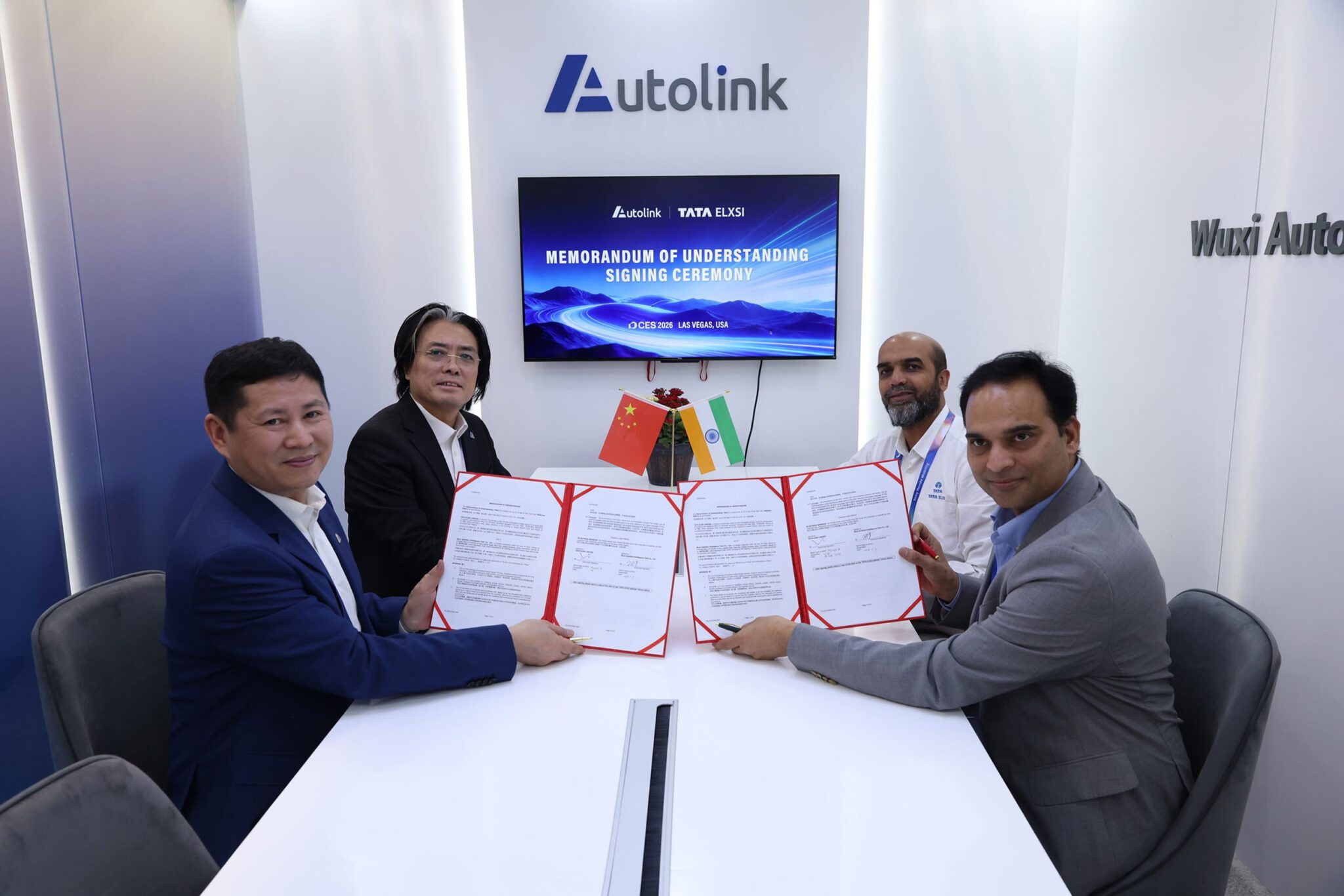 Global vehicle manufacturers are moving faster towards software-defined architectures as cost pressures, electrification targets and regulatory demands reshape how cars are designed and updated. Against this backdrop, automotive technology firm Autolink and engineering and digital services provider Tata Elxsi have signed a memorandum of understanding aimed at accelerating the adoption of software-defined vehicles for original equipment manufacturers across key markets.
The agreement focuses on combining Autolink’s experience in embedded automotive platforms and system integration with Tata Elxsi’s strengths in software engineering, digital validation and vehicle architecture design. The companies say the collaboration is intended to help global OEMs shorten development cycles, reduce costs and manage the growing complexity associated with SDV programmes, where software increasingly defines vehicle performance, safety features and user experience.
Software-defined vehicles represent a fundamental shift away from hardware-centric development. Instead of relying on fixed electronic control units tailored to specific functions, SDVs use centralised computing platforms and flexible software layers that can be updated over the air. This approach allows manufacturers to introduce new features, improve safety systems and meet evolving regulatory standards without redesigning physical components. Industry analysts note that while the model promises long-term efficiencies, the transition requires deep expertise in software integration, cybersecurity and functional safety.
Under the MoU, Autolink and Tata Elxsi plan to co-develop reference architectures, reusable software modules and validation frameworks that can be adapted by OEMs operating in different regions. The partnership also aims to support multiple vehicle domains, including powertrain, body electronics, infotainment and advanced driver assistance systems. By aligning development tools and processes, the firms intend to address one of the key bottlenecks in SDV rollouts: the fragmentation between hardware suppliers, software vendors and vehicle manufacturers.
Executives from both companies described the collaboration as a response to growing demand from OEMs seeking partners that can manage end-to-end SDV development. Carmakers are under pressure to deliver connected features comparable to consumer electronics while maintaining automotive-grade reliability and safety. At the same time, tighter emissions norms and cybersecurity regulations are adding layers of compliance that must be built into vehicle software from the outset.
Market data underscores why OEMs are reassessing their development strategies. Research groups tracking automotive software spending estimate that software content per vehicle is set to rise sharply over the decade, driven by electrification, connectivity and assisted driving features. This has prompted manufacturers to move away from proprietary, siloed systems towards open, scalable platforms that can be deployed across model ranges. Partnerships such as the Autolink–Tata Elxsi MoU are increasingly seen as a way to pool specialised skills without locking OEMs into single-vendor ecosystems.
Tata Elxsi has built a presence in automotive software through work on autonomous systems, human–machine interfaces and digital validation, while Autolink has focused on integrating embedded platforms with vehicle hardware. Industry observers say the combination could appeal to OEMs looking for practical deployment rather than experimental concepts. The emphasis on cost-effective and faster delivery reflects a broader shift in the sector, as manufacturers balance innovation with profitability in a highly competitive market.
The collaboration also reflects changing supply-chain dynamics in the automotive industry. Traditional tier-one suppliers are expanding their software capabilities, while technology firms are entering areas once dominated by mechanical engineering. This convergence has created gaps in accountability and integration that OEMs must manage carefully. By offering joint solutions, Autolink and Tata Elxsi are positioning themselves as partners that can bridge these gaps and reduce coordination risks.