
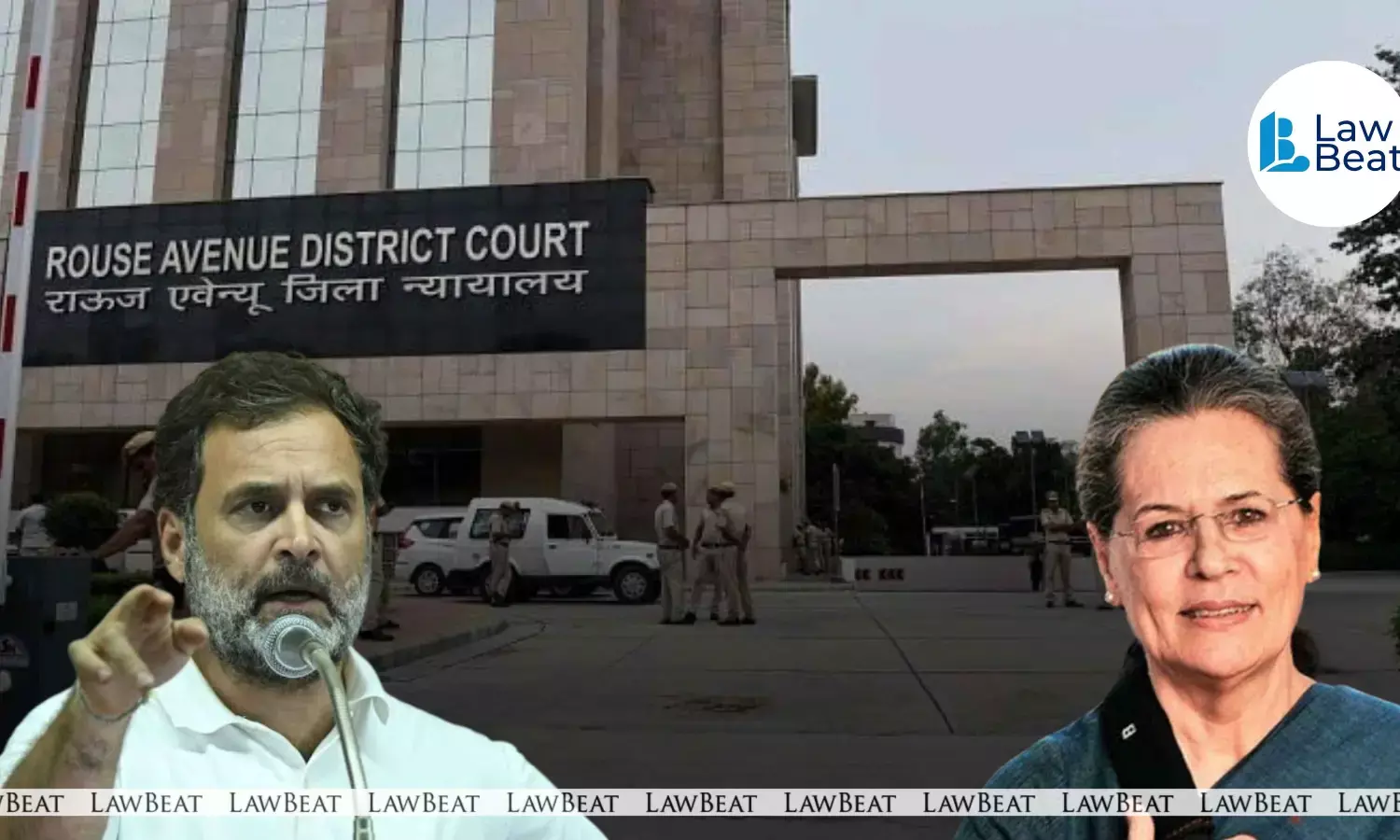
 Rahul Gandhi, Congress Member of Parliament from Rae Bareli and Leader of the Opposition in the Lok Sabha, has suffered a legal setback after the Lucknow bench of the Allahabad High Court directed that a first information report be registered over allegations linked to dual citizenship. The order, passed by Justice Subhash Vidyarthi, set aside a January 28 ruling by a special MP/MLA court in Lucknow that had declined to order a criminal case, saying it was not competent to decide questions of citizenship.
 The High Court’s intervention does not amount to a finding that Gandhi held foreign citizenship. What it does is reopen the matter for criminal investigation, with the court saying the allegations warranted examination through the registration of an FIR. Reports on the proceedings said the bench also left it open to the Uttar Pradesh government to have the investigation handled by the state police or referred to a central agency. That distinction is politically and legally important, because the order moves the issue from a dismissed complaint to a formal investigative stage.
The case was brought by S. Vignesh Shishir, a BJP worker from Karnataka, who challenged the lower court’s refusal to direct police action against Gandhi. According to reports of the hearing, the complaint centres on allegations that Gandhi described himself as a British national in documents related to a United Kingdom-based company, M/s Backops Ltd, incorporated in 2003. The petitioner has argued that the matter raises questions under criminal law as well as statutes dealing with passports, foreigners and official information.
The background to the controversy stretches back several years. In April 2019, the Union Ministry of Home Affairs sought Gandhi’s response after receiving a complaint that documents connected to Backops Ltd listed his nationality as British in annual returns filed in 2005 and 2006. At the time, the issue flared during the Lok Sabha election campaign and was pushed by political opponents as a question of eligibility and disclosure. That older episode did not result in any immediate criminal prosecution, but it established the documentary trail that has now resurfaced in the Lucknow litigation.
The chronology of the present case shows how the dispute gathered pace in the courts. The complaint was first placed before a special MP/MLA court in Rae Bareli. The matter was later shifted, and on December 17 last year the High Court transferred it to Lucknow. On January 28 this year, the special MP/MLA court in Lucknow rejected the plea for an FIR, holding that a trial court was not the proper forum to determine citizenship issues. Shishir then moved the Allahabad High Court, which heard the challenge and has now overturned that refusal. Reports last week had already indicated the bench was treating the matter as sensitive and had sought material from the Centre before passing its order.
For Gandhi and the Congress, the order creates a new line of legal and political pressure at a time when he remains one of the Opposition’s principal national faces. Any FIR in such a case is likely to sharpen the party’s charge that investigative and legal processes are being used to target rivals. For the Bharatiya Janata Party and the petitioner backing the complaint, the High Court ruling will be projected as validation that the allegations deserved more than summary dismissal. Neither reading settles the underlying question of fact, which still depends on what investigators can establish from official records and documentary evidence.
The legal stakes extend beyond one politician. Citizenship is a threshold matter for membership of Parliament, and any suggestion of dual nationality touches a sensitive constitutional and electoral fault line. At the same time, courts generally move cautiously where criminal process and political office intersect, especially when documentary interpretation, administrative records and questions of intent are involved. That is why the High Court’s order is significant not because it resolves the dispute, but because it says the allegations cannot be brushed aside at the threshold.