
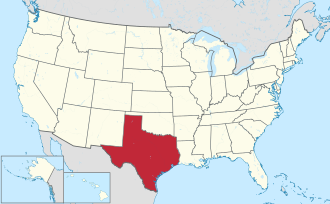
 United States President Donald Trump announced plans for what he described as the first major oil refinery to be built in the country in roughly half a century, a project to be backed by investment from Mukesh Ambani’s Reliance Industries and located at the Port of Brownsville in Texas.
Trump revealed the proposal on Tuesday, portraying the initiative as a landmark step for the energy sector and a cornerstone of his administration’s drive to expand domestic oil production. The refinery, to be developed by a company called America First Refining, is expected to process American shale crude and supply refined products to domestic and international markets.
In a message posted on his Truth Social platform, Trump thanked Reliance Industries for supporting what he characterised as a transformative investment. The project, he said, would strengthen energy security, stimulate manufacturing and create thousands of jobs in South Texas.
Plans for the refinery place it on the Gulf Coast, a region already home to the largest concentration of refining capacity in the United States. According to industry data, the country operates more than 130 refineries, though most were built decades ago and configured to process heavier crude oil imported from abroad. Facilities specifically designed to handle large volumes of light shale oil remain comparatively limited.
The Brownsville refinery is projected to process around 168,000 barrels of crude per day and could refine tens of millions of barrels annually once fully operational. Developers have suggested construction could begin later this year, with the facility expected to handle shale oil extracted from hydraulic fracturing operations across the United States.
Reliance Industries’ involvement underscores the increasingly global nature of energy investments. Led by Mukesh Ambani, the conglomerate runs the world’s largest refining complex at Jamnagar and is widely regarded as one of the most experienced operators in the downstream oil sector. The company has also been expanding its international footprint through investments and partnerships across the energy and petrochemical industries.
Under the proposed arrangement, Reliance is expected to participate financially and has agreed to a long-term offtake arrangement under which it would purchase refined products produced by the facility. Industry analysts say such agreements can provide a stable revenue stream for new projects, particularly those requiring large upfront capital commitments.
Trump framed the refinery proposal as part of a broader push to boost what he often calls “energy dominance”. The White House has emphasised expanded drilling, streamlined permitting and lower regulatory barriers as key policies designed to attract investment into fossil fuel infrastructure.
The announcement also came at a time of heightened volatility in global oil markets, driven by geopolitical tensions and disruptions to supply chains. Rising fuel prices have placed pressure on policymakers to secure stable refining capacity capable of converting crude into petrol, diesel and jet fuel.
Energy experts note that building new refineries in the United States has been rare due to high costs, environmental regulation and uncertainty over long-term demand for petroleum products. The last refinery widely recognised as a major greenfield facility with substantial downstream capacity was completed in the late 1970s, although smaller plants and expansions have been developed since then.
Several existing refineries have closed over the past decade, particularly in regions where stricter environmental policies have increased operating costs. This trend has raised concerns among some policymakers about declining domestic refining capacity even as crude production surged due to the shale revolution.
Supporters of the Brownsville project argue that a refinery designed specifically for shale oil could address a structural imbalance in the industry. Much of the existing refining infrastructure was built to process heavier crude from countries such as Venezuela and Canada, meaning operators sometimes face technical limitations when handling the lighter crude extracted from shale formations.
Developers say the new refinery will incorporate advanced processing technology intended to maximise efficiency while reducing emissions compared with older plants. Trump described it as potentially the “cleanest refinery in the world,” though environmental groups have questioned whether any new large-scale fossil fuel facility can meet climate targets set by many governments.
Local officials in Brownsville welcomed the proposal, highlighting the potential economic benefits for the region. The Port of Brownsville has been expanding its role as a logistics and industrial hub, benefiting from deep-water access to shipping routes and proximity to cross-border trade corridors with Mexico.
Mayor John Cowen Jr. said the project could bring significant employment opportunities and strengthen the port’s position as an energy gateway along the Gulf Coast. Municipal leaders believe the refinery could stimulate further infrastructure investment in surrounding communities.
Questions remain about financing and market demand, however. Estimates circulated by the administration have suggested the economic value associated with the project could reach hundreds of billions of dollars over time, though analysts caution that such figures depend on assumptions about oil prices, refining margins and export volumes.