
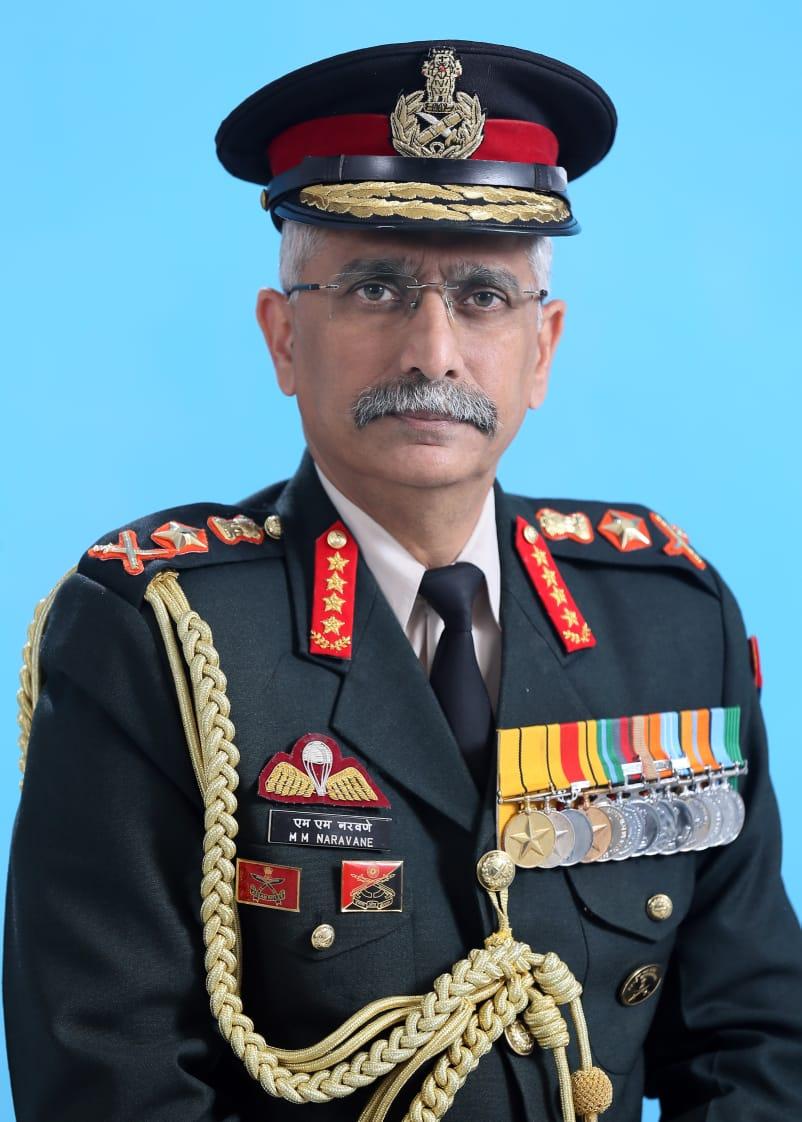
 Penguin Random House India has issued a clarification distancing itself from excerpts cited by Congress leader Rahul Gandhi in Parliament, saying it alone holds the publishing rights to former Army chief General Manoj Mukund Naravane’s memoir and that the book has not yet been released. The statement has sharpened scrutiny of how passages attributed to the memoir entered public debate amid renewed political sparring over the 2020 Galwan Valley clash.
The publisher said it has exclusive rights to General Naravane’s book, titled Four Stars of Destiny, and that no authorised edition is in circulation. The clarification followed remarks made by Gandhi during parliamentary discussions in which he referred to what he described as a “published” memoir while questioning the handling of the Galwan confrontation. The publisher’s intervention sought to correct the record on the status of the manuscript and the provenance of the quoted material.
The controversy deepened hours after the clarification, when Delhi Police registered a first information report concerning the alleged circulation and online promotion of unauthorised copies of the memoir without mandatory clearance. The case centres on suspected violations linked to the distribution of material that the rights holder says has not been cleared for publication, raising questions about how drafts or excerpts may have been disseminated.
Gandhi’s remarks had drawn attention because they appeared to cite internal assessments attributed to the former Army chief, a figure whose tenure included the standoff with the People’s Liberation Army in eastern Ladakh. By invoking the memoir, Gandhi sought to bolster criticism of the government’s narrative around the Galwan clash, in which at least 20 soldiers were killed during a violent encounter in June 2020. The government has consistently maintained that the situation was handled with resolve and that disengagement mechanisms have since stabilised the frontier.
Penguin Random House India’s statement underlined that the memoir remains unpublished and that any excerpts circulating online or elsewhere are unauthorised. Industry executives note that high-profile military memoirs typically undergo legal vetting and clearance processes prior to release, particularly when they touch on operational matters or sensitive diplomatic episodes. The publisher’s assertion that no such release has occurred places the focus squarely on the chain through which the quoted passages emerged.
Legal experts say the registration of an FIR does not determine culpability but signals that investigators will examine digital trails, messaging platforms and websites to establish whether copyrighted material was reproduced or promoted without consent. In cases involving unpublished manuscripts, the threshold questions often include whether the material constitutes a protected draft, who had access to it, and whether there was intent to distribute.
The episode has also reopened a broader debate about the role of unpublished writings in political discourse. Parliamentary privilege allows members to speak freely in the House, but it does not resolve disputes over the authenticity or status of documents cited. Analysts point out that when claims hinge on texts not yet in the public domain, the burden shifts to establishing provenance and accuracy, especially in matters of national security.
Within publishing circles, the clarification is viewed as an effort to protect intellectual property and editorial processes. Publishers commonly emphasise that until a book is formally released, drafts remain confidential and subject to change. Any public attribution to such drafts can misrepresent an author’s final positions or context, potentially distorting public understanding.
The political fallout has been swift. Leaders from the ruling side accused Gandhi of relying on unauthorised material to make claims in Parliament, while opposition figures countered that the substance of the debate should focus on transparency around border management rather than the technical status of a book. The exchange underscores how the Galwan episode continues to reverberate through domestic politics, nearly five years after the clash.