
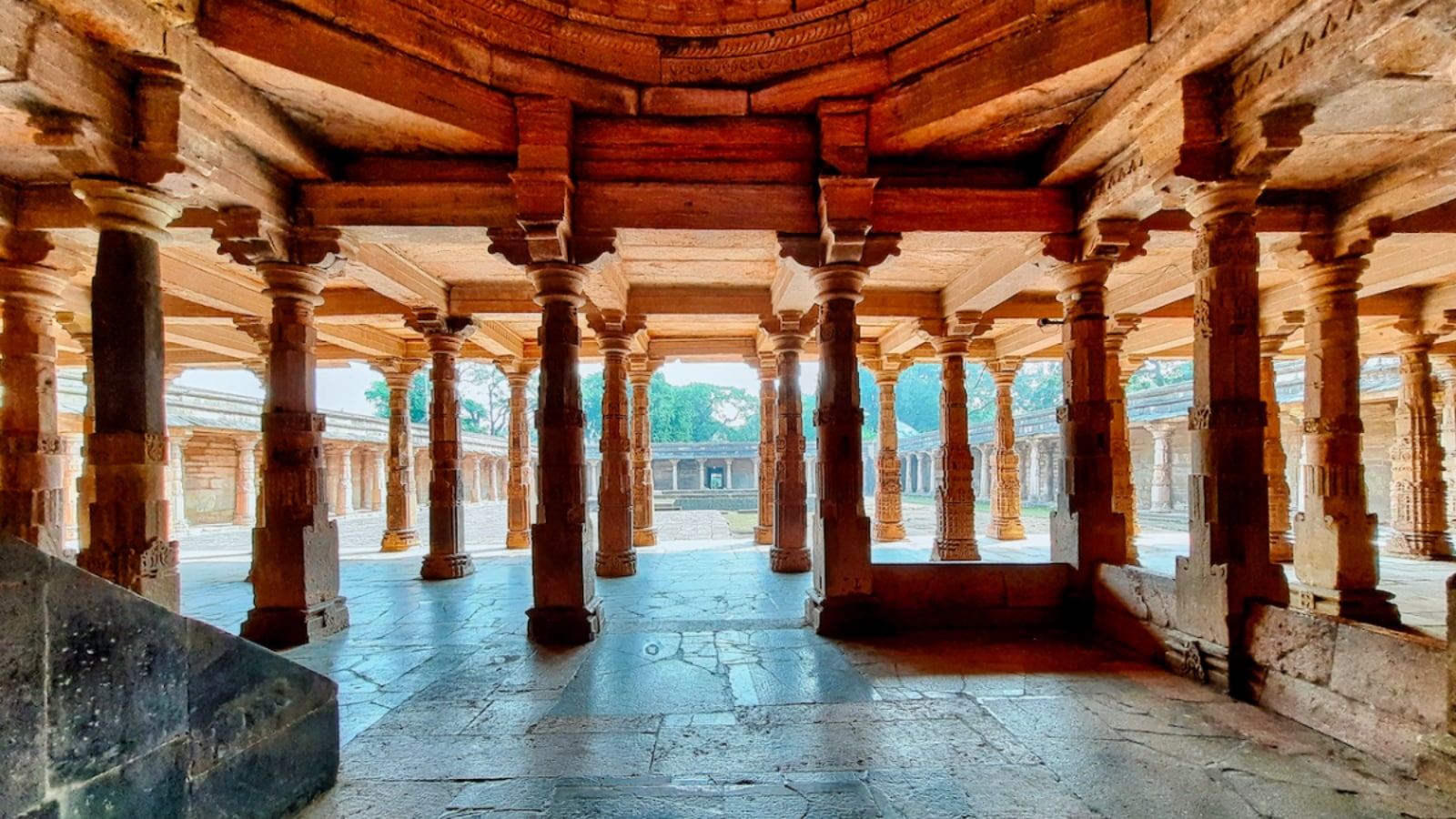
 A 2,189-page survey submitted by the Archaeological Survey of India has concluded that the Kamal Maula Mosque structure in Dhar was constructed using the remains of earlier temple edifices, placing a long-running dispute before the Indore bench of the Madhya Pradesh High Court on a firmer evidentiary footing.
The report, prepared following a court-monitored scientific survey, was presented to the bench amid heightened security and tight procedural controls. The bench had earlier directed the ASI to conduct a detailed archaeological examination of the Bhojshala–Kamal Maula complex, a site that has for decades been at the centre of competing claims by Hindu and Muslim groups. Petitioners representing Hindu organisations argue that the structure is the Bhojshala temple dedicated to Goddess Saraswati, while Muslim parties maintain that it is the Kamal Maula Mosque, where prayers have been offered for generations.
According to submissions made in court, the ASI team documented architectural fragments, pillars, carved stones and inscriptions that it said bore features associated with temple construction of the Paramara period, particularly during the reign of Raja Bhoj in the 11th century. The report is understood to have relied on stratigraphic analysis, ground-penetrating radar surveys, carbon dating of organic material where available, and stylistic study of sculptural elements embedded in the existing structure.
Officials familiar with the proceedings said the survey catalogued a significant number of sculpted pillars and decorative components displaying motifs linked to temple architecture, including floral patterns and figures that are not typically associated with Islamic religious structures. The ASI is reported to have concluded that the mosque superstructure incorporated pre-existing temple material, a practice not uncommon in medieval architecture across parts of the subcontinent.
Counsel appearing for the Hindu side contended that the findings support their claim that a temple existed at the site prior to the construction of the mosque. Lawyers representing the Muslim parties questioned aspects of the methodology and interpretation, arguing that reuse of building material in medieval structures does not by itself establish the character of the original site. They have indicated that they will scrutinise the report in detail and may seek clarifications or file objections.
The High Court had ordered the survey earlier this year while hearing petitions seeking permission for year-round Hindu worship at the site. At present, administrative arrangements allow Hindus to perform puja on certain days, particularly on Vasant Panchami, while Muslims offer namaz on Fridays, subject to a schedule determined by local authorities. The dual-use arrangement has periodically led to tension in Dhar district, prompting deployment of security personnel during sensitive periods.
The Bhojshala–Kamal Maula complex has been under the protection of the Archaeological Survey of India as a centrally protected monument. Historical records indicate that the site has seen layered usage over centuries. The Paramara dynasty, which ruled large parts of Malwa between the 9th and 14th centuries, is associated with temple building activity in the region. Islamic rule in Malwa began in the 14th century, and several structures from that era incorporated earlier architectural elements.
Legal experts note that the High Court’s consideration of the ASI report could shape the trajectory of the dispute. Courts have previously relied on archaeological evidence in adjudicating contested religious sites, most notably in the Ayodhya case decided by the Supreme Court in 2019. While each case turns on its own facts and pleadings, the use of court-supervised scientific surveys has become a recurring feature in such litigation.
Senior advocates observing the proceedings say the present phase is likely to focus on whether the ASI’s findings meet evidentiary standards and how they are to be weighed alongside documentary records, revenue entries and accounts from the colonial period. The court may also examine whether any structural alterations are sought by the petitioners and how they would align with heritage protection laws.
Community leaders in Dhar have appealed for restraint. Representatives from both sides have publicly stated that they will abide by the court’s decision, though local authorities remain cautious. The district administration has continued to enforce restrictions around the complex to prevent gatherings that could disturb public order.