
 Bangladesh’s power sector has been thrust into political and economic focus after the Adani Group sent a formal letter to the Bangladesh Power Development Board demanding settlement of outstanding payments linked to electricity supplied from its coal-fired power plant in Jharkhand. The communication, delivered as campaigning intensifies ahead of national elections, warned that prolonged delays could affect future power supply, sharpening attention on a dispute that blends energy security, public finances and electoral sensitivities.
Officials familiar with the correspondence said the Adani Group flagged arrears running into hundreds of millions of dollars for power supplied under a long-term power purchase agreement. The company indicated that continued non-payment could force it to reconsider operations, a move that would have implications for Bangladesh’s electricity grid during periods of peak demand. While no immediate disruption has been announced, the warning has amplified concerns within government and industry circles.
Bangladesh’s authorities have acknowledged delays in clearing payments but insist the country remains committed to honouring contractual obligations. Senior energy officials have attributed the backlog to a combination of dollar shortages, fiscal pressure from fuel imports and higher generation costs following global commodity volatility. The Bangladesh Power Development Board, which acts as the single buyer of electricity, has faced rising subsidy requirements as retail tariffs have lagged behind generation costs.
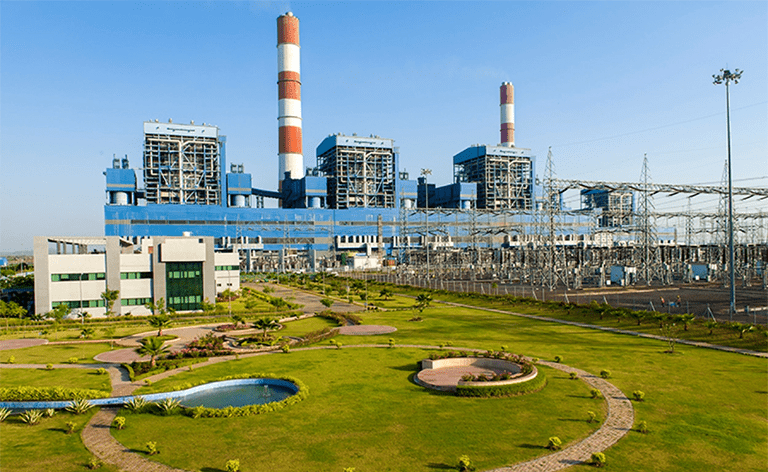
The dispute centres on the 1,600-megawatt Godda power plant in eastern India, developed by the Adani Group primarily to supply electricity to Bangladesh. Under the agreement signed in 2017, Bangladesh committed to purchasing power for 25 years, with payments denominated largely in US dollars. The deal has been controversial since inception, drawing criticism from opposition parties and civil society groups who argue that the tariff structure exposes the country to currency risk and higher long-term costs.
Energy economists say the payment standoff reflects broader structural strains in Bangladesh’s power sector rather than an isolated contractual clash. Rapid expansion of generation capacity over the past decade has improved access to electricity but also increased capacity payments to private producers, even when plants are underutilised. At the same time, foreign exchange constraints have complicated timely settlement of dollar-denominated invoices, particularly for imported coal, gas and oil-based power.
The timing of Adani’s letter has added a political dimension. With elections approaching, the opposition has seized on the issue to question the government’s handling of large infrastructure contracts and its relationship with foreign conglomerates. Ruling party figures, however, argue that maintaining investor confidence is essential for energy security and economic stability, warning that politicising contractual disputes could deter future investment.
People close to the Adani Group say the company’s position is driven by commercial realities rather than political considerations. Operating the plant involves significant ongoing costs, including coal procurement, transportation and debt servicing. Prolonged non-payment, they argue, strains cash flows and complicates commitments to lenders. The group has stressed that it remains open to dialogue and has not taken steps to halt supply.
Bangladesh’s finance and energy ministries are understood to be exploring options to clear part of the dues while negotiating a payment schedule for the balance. Measures under discussion include reallocating budgetary resources, securing short-term foreign currency financing and adjusting power tariffs to reduce subsidy burdens. Any sharp tariff increase, however, carries political risks in an election year, particularly amid concerns over inflation and household costs.