
 Tens of thousands of demonstrators have poured onto streets across multiple Iranian cities, voicing anger over economic hardship and calling for an end to the current system of rule, according to accounts from residents, activists and officials. The protests, among the most widespread in years, have been met with a sweeping security response that authorities say is aimed at restoring order, while critics describe it as a harsh crackdown that has led to significant loss of life and mass detentions.
Demonstrations have been reported in Tehran, Mashhad, Isfahan, Shiraz, Tabriz and several provincial centres, with crowds chanting slogans that go beyond demands for economic relief to question the legitimacy of the political leadership itself. Rising prices, job losses, fuel costs and the long-term impact of international sanctions have converged to create acute pressure on households, particularly among younger Iranians and low-income families.
Security forces, including police units and the paramilitary Basij, have been deployed in large numbers. Officials acknowledge that hundreds of people have died in clashes since the unrest began, while rights groups and opposition figures put the toll higher. Thousands more have been arrested, with state media reporting that many detainees face charges linked to public disorder, vandalism or cooperation with foreign-backed groups. The judiciary has said that swift legal action is necessary to deter what it calls organised attempts to destabilise the country.
A near-total internet blackout imposed by authorities has severely limited independent verification of events on the ground. Mobile data services have been cut in many areas, and access to social media platforms remains heavily restricted. The government argues that such measures are essential to prevent the spread of misinformation and to disrupt what it describes as coordinated violence. Digital rights advocates counter that the shutdown is designed to obscure the scale of the crackdown and restrict communication among protesters.
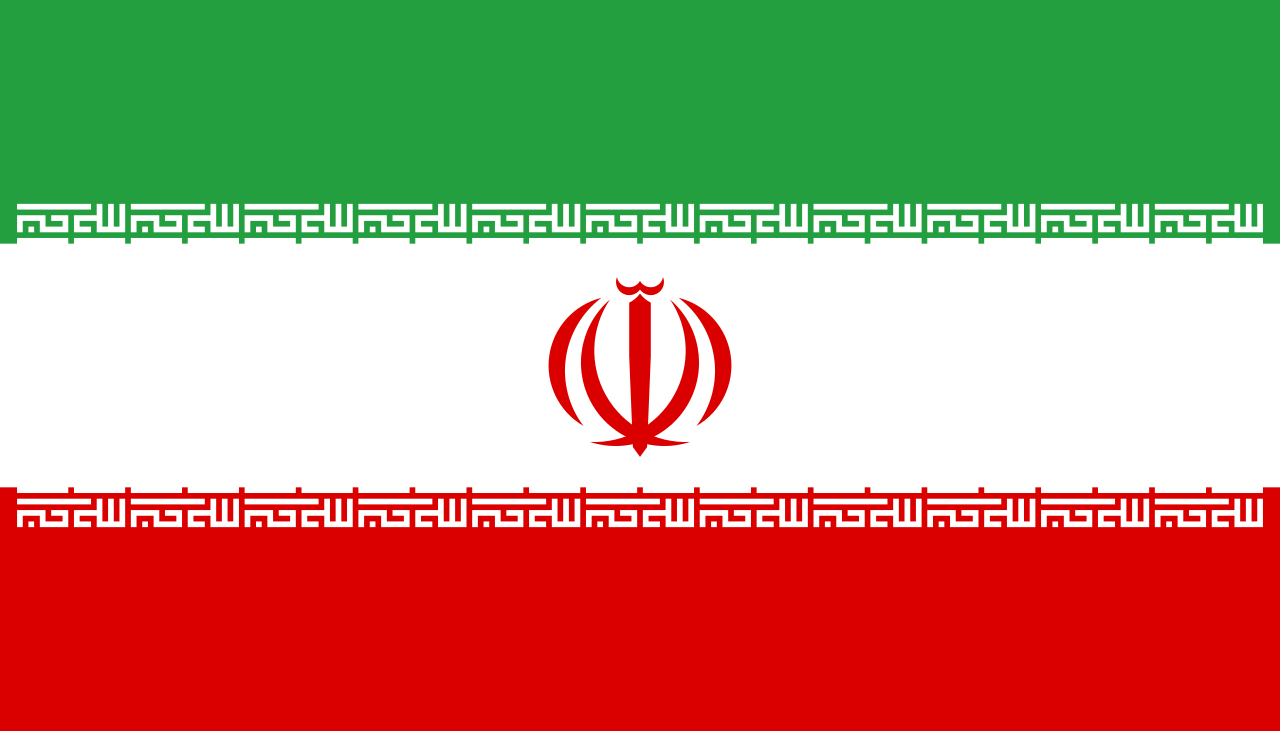
Alongside the demonstrations, state-organised rallies have been held in several cities, with participants carrying national flags and portraits of senior leaders. State television has broadcast images of large crowds pledging loyalty to the system and condemning foreign interference. Officials say these gatherings show that a significant segment of the population rejects calls for regime change and supports stability, even amid economic strain.
The unrest reflects deeper structural challenges facing Iran’s economy. Inflation has remained stubbornly high, eroding purchasing power and savings. Youth unemployment is widespread, and access to affordable housing has become increasingly difficult in major cities. Analysts note that while sanctions have played a major role in limiting trade and investment, domestic policy choices, including subsidies, currency controls and governance issues, have also contributed to long-standing economic inefficiencies.
Political analysts inside and outside the country say the breadth of the protests is notable. Unlike earlier waves of unrest that were often confined to specific regions or social groups, the current demonstrations appear to cut across class and geographic lines. University students, shopkeepers, industrial workers and professionals have all been reported among the crowds, suggesting a wider base of dissatisfaction.
The leadership has framed the protests as a security threat driven by hostile foreign powers, a narrative that has been repeated by senior officials in speeches and state media commentary. At the same time, some lawmakers and clerics have publicly acknowledged public frustration, calling for better economic management and greater accountability. These voices, however, remain marginal within the broader power structure.
International reaction has intensified as reports of casualties and arrests have mounted. Several governments have condemned the use of force against protesters and urged Iranian authorities to respect the right to peaceful assembly. Diplomatic pressure has included new discussions of targeted measures against officials deemed responsible for abuses, adding to the country’s already complex foreign relations environment.