
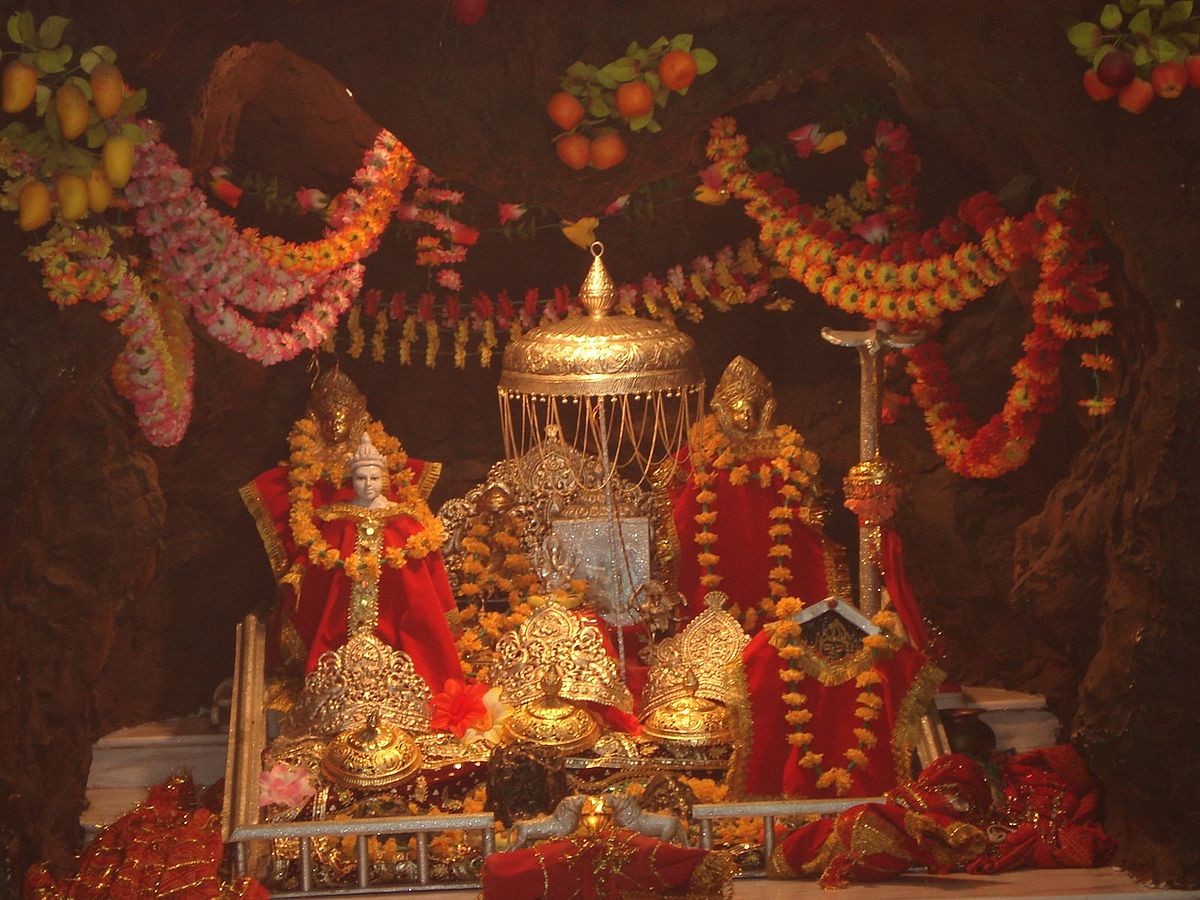
Congress’s Jammu & Kashmir unit, led by Working President Raman Bhalla, demanded an explanation and apology from the ruling party, arguing that the admission outcome reflects a systemic failure rather than a purely academic decision. Spokesperson Ravinder Sharma acknowledged that the selection appeared to follow merit-based criteria but questioned why no special provisions were put in place given the Shrine-backed nature of the institution.
The spark for the controversy was the MBBS seat allocation list for the 2025–26 academic year, which triggered demands from Bharatiya Janata Party members and allied groups for the institute to be granted minority-institution status or for the admission list to be scrapped. They argued that a shrine-funded medical college should prioritise devotees of the deity for whom the shrine is dedicated.
College officials and others, however, pointed out that SMVDIME has not been granted any minority-institution status, which under existing regulations disallows religion-based admissions. Merit in the form of national entrance exam scores was cited as the basis for seat allocation.
Amid the uproar, the National Medical Commission rejected a proposal from SMVDIME to place all 50 MBBS seats under the All India Quota, a move that would have widened the pool nationwide, citing policy constraints and the need for stakeholder consultations.
Supporters of SMVDIME and civil society members warn that introducing religion-based quotas in medical admissions could undermine meritocracy, set a precedent for other shrine- or faith-affiliated institutions, and threaten secular and scientific values in education. Congress leaders echoed this concern, accusing the ruling party of polarising the society along communal lines to distract from governance failures.