
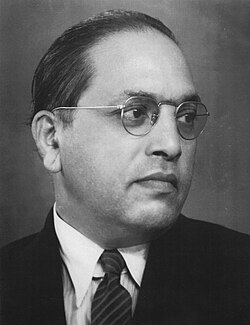
Ambedkar claimed that many Opposition groups refrain from formalising complaints out of concern that authorities might dig up their “past ghosts,” effectively exposing prior misdeeds or controversies. He suggested this fear of retribution curbs the willingness to escalate electoral-roll concerns to the poll panel despite widespread discourse over voter-list irregularities. According to him, scrutiny into which officers added questionable names ought to be simple and direct, yet the lack of follow-up reveals a broader reticence.
The hesitation comes amid mounting accusations over the ongoing Special Intensive Revision of electoral rolls in several states. Critics allege that the process—ostensibly aimed at cleaning up voter lists—has disproportionately disenfranchised sections of the electorate while leaving duplicate or fraudulent entries untouched, eroding trust in the electoral mechanism. Prominent Opposition parties have decried the SIR process as flawed and hostile to democratic fairness, with some filing formal objections and others publicly condemning the revision as “vote theft.”
Officials from the EC, however, have countered that the SIR has adhered to established protocols. The EC released prior voter-list drafts to all political parties for verification before finalisation and maintained that claims of large-scale manipulation were unsubstantiated unless backed by legally valid evidence. The commission emphasised that it applies uniform standards to all submissions and rejected suggestions of collusion or bias.
Past instances offer context to the current stand-off. Authorities had issued show-cause notices to district election offices in multiple states following earlier identification of anomalies such as duplicate registrations, multiple entries under the same address, or voters enrolled across different constituencies. In some cases, electoral roll entries flagged as suspicious were deleted after investigation. These corrective actions, though, were not consistent across all reported complaints, leading to accusations of selective enforcement.
Opposition groups continue to press for transparent audits, updated voter-roll databases, and a mechanism enabling public scrutiny of electoral data. Civil society organisations echo those demands, warning that failure to ensure clean rolls could undermine election legitimacy. The political polarisation surrounding voter-list issues risks deepening public distrust, especially among marginalised communities that stand to lose representation.