
 Washington’s move to sanction Hengli Petrochemical’s Dalian refinery has widened the economic fallout from the West Asia war, adding fresh pressure on energy markets, petrochemicals and global manufacturing chains already strained by disrupted shipping through the Strait of Hormuz.
The measure targets one of China’s largest private refiners over alleged purchases of Iranian crude and petroleum products, placing a major crude-to-chemicals complex at the centre of a broader US campaign to restrict Tehran’s oil revenues. The action came as diplomatic efforts over the conflict remained stalled, oil prices pushed towards $110 a barrel, and shipping disruptions continued to unsettle Asian importers and downstream industries.
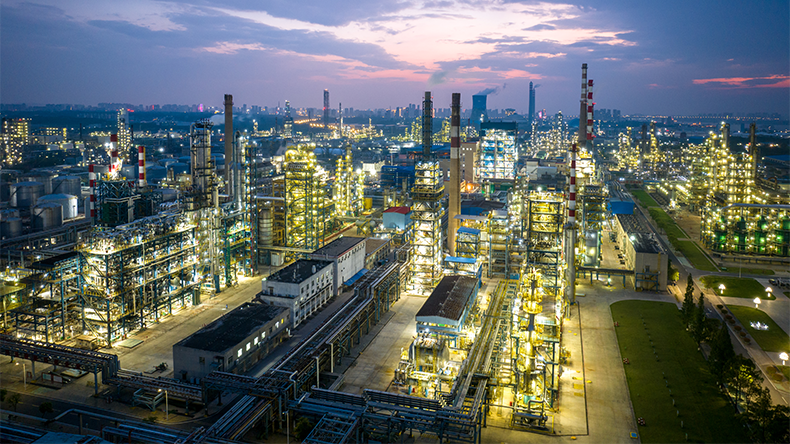
Hengli Petrochemical Refinery, based in the northeastern port city of Dalian, operates a 400,000-barrel-per-day integrated refining and petrochemicals site. The facility is significant not only because of its crude-processing capacity but also because it feeds chemical supply chains used in plastics, fibres, packaging, textiles, automotive parts and consumer goods. Any disruption to its procurement, trade finance, shipping access or export flows could therefore extend beyond fuel markets.
US authorities allege that Hengli has bought billions of dollars’ worth of Iranian petroleum and received cargoes from sanctioned shadow-fleet vessels since at least 2023. The latest sanctions also cover shipping companies and tankers linked to the movement of Iranian crude, liquefied petroleum gas and petrochemical products, part of a wider drive to curb the financial networks supporting Tehran during the war.
Hengli has denied trading with Iran and said its suppliers had guaranteed that crude supplied to the company did not fall within the scope of US sanctions. The Shanghai-listed company said its refinery and petrochemical facilities were operating normally and that it had crude inventories sufficient for more than three months of processing. It also said the restrictions lacked factual and legal basis and that it would seek to have them removed.
The market response was immediate. Hengli Petrochemical shares fell by the daily limit of 10 per cent in Shanghai after the sanctions were announced, reflecting concern that the company could face tighter access to dollar payments, international shipping services, insurers and banks even if its core domestic operations remain intact. Sanctions do not automatically shut a refinery, but they can complicate every transaction linked to foreign counterparties.
Hengli Group has also adjusted the ownership structure of its Singapore-based trading arm, Hengli Petrochemical International Pte Ltd. The unit, previously fully owned by the sanctioned Dalian refinery, is now 95 per cent held by Dalian Changxing International Trade Co Ltd, with the refinery retaining a 5 per cent stake. The change is likely to draw close scrutiny from banks, traders and compliance teams assessing exposure to the sanctioned entity.
China has criticised the US action and said it would safeguard the lawful rights of its companies. Beijing has consistently opposed unilateral sanctions, while Washington has argued that independent Chinese refiners have become key buyers of Iranian oil and an important source of revenue for Tehran. That dispute is now feeding into broader tensions between the world’s two largest economies at a time when the energy shock is already affecting inflation, trade flows and investor sentiment.
The immediate oil-market impact is being amplified by the conflict around the Strait of Hormuz, a waterway that normally handles about a fifth of global oil and gas supply. Brent crude climbed above $109 a barrel on Tuesday, while US crude traded near $98, as markets priced in prolonged disruption to exports from the Gulf. Traders are now watching not only crude availability but also refined products, naphtha, LPG and petrochemical feedstocks.
The petrochemicals sector is particularly exposed because China’s private refiners have become deeply integrated into global supply chains. Hengli’s Dalian complex exports substantial volumes of petrochemical products each month, and any hesitation by shipowners, insurers or banks could delay cargoes or force buyers to seek alternative supplies. Such shifts can raise costs for manufacturers in Asia and beyond, especially in industries already dealing with weak margins and volatile freight rates.
Independent refiners, often called teapots, have played a large role in China’s crude-import system. Some have limited direct exposure to the US financial system, which can blunt the practical effect of sanctions, but larger operators with international trading arms, export flows and foreign financing links face greater vulnerability. Compliance departments are likely to take a cautious view, especially where cargo origins, ship-to-ship transfers or shadow-fleet involvement are difficult to verify.
The sanctions also underline the changing nature of energy pressure in the West Asia war. The impact is no longer confined to crude prices or tanker routes. It is spreading through petrochemical contracts, trade credit, port services, corporate ownership structures and the risk calculations of banks that handle commodity payments. That wider transmission channel is what makes the Hengli case important for manufacturers far removed from the oil fields and ports at the centre of the conflict.