Loading…
Just in:
Loading latest syndicated reports…

Top stories

Updated continuously

Harris Gains in Betting Markets, Trump Still Favored

Recent shifts in the electoral betting markets have highlighted a notable change in the dynamics surrounding the 2024 U.S. presidential election. Vice President Kamala Harris has seen a significant rise in her odds, reflecting a growing confidence among bettors in her potential to make a strong bid for the presidency. Despite this upward trend for Harris, bookmakers continue to favor former President Donald Trump as the leading candidate for the upcoming election.

The betting markets have traditionally served as a barometer for public sentiment and political forecasting. Harris's recent surge in these markets indicates a growing belief in her electoral viability. This shift comes amidst ongoing political developments and strategic maneuvers by both major parties. While Harris’s increased odds suggest that some view her as a stronger candidate than previously anticipated, it is important to note that Trump's position remains robust.

Trump's continued favorability in the betting markets can be attributed to several factors. His established base of support, extensive campaign infrastructure, and high name recognition contribute significantly to his strong standing. Despite various controversies and legal challenges, Trump’s influence within the Republican Party and his ability to mobilize voters have kept him in a leading position according to bookmakers.

Harris’s rise in the betting odds could be linked to several recent political developments. Her visibility and involvement in key policy areas, particularly those related to health care and economic recovery, have resonated with a portion of the electorate. Additionally, strategic endorsements and shifts in campaign messaging might be contributing to a more favorable perception of her candidacy among bettors.

In contrast, Trump's odds remain high due to his historical performance and the enduring loyalty of his supporters. The former president’s influence over the Republican primaries and his continued presence in political discourse underscore his significant role in the race. Despite challenges and criticisms, Trump’s campaign remains a formidable force in the electoral landscape.

The dynamics within the betting markets also reflect broader electoral trends and voter sentiments. As the election approaches, fluctuations in betting odds can provide insights into shifting public opinions and campaign effectiveness. Harris's rising odds may signal increasing confidence in her ability to connect with voters and address key issues, but Trump’s continued prominence suggests that he remains a dominant figure in the race.

Moreover, the betting markets are influenced by numerous factors, including political events, media coverage, and campaign strategies. The rise in Harris’s odds could also be indicative of changing perceptions and emerging trends that might impact the overall electoral landscape. However, until the official primaries and election results are determined, the betting odds serve as one of many indicators of potential outcomes.

The contrast between Harris’s recent gains and Trump’s sustained lead highlights the complexity of electoral predictions. While Harris’s rise is noteworthy, it does not necessarily translate into an immediate shift in the overall electoral landscape. Bookmakers’ continued favoring of Trump reflects his enduring influence and the significant challenges facing his opponents.

As the election season progresses, the betting markets will likely continue to reflect evolving political dynamics and voter preferences. The interplay between Harris’s rising odds and Trump’s strong position underscores the unpredictable nature of electoral politics and the various factors that can influence campaign outcomes.

The ongoing developments in the electoral betting markets provide a snapshot of the current political climate and the various elements shaping the 2024 presidential race. While Harris's recent surge indicates growing confidence in her candidacy, Trump's continued favorability highlights the persistent challenges and competitive nature of the election.
Poland Eyes Leadership in European Defence

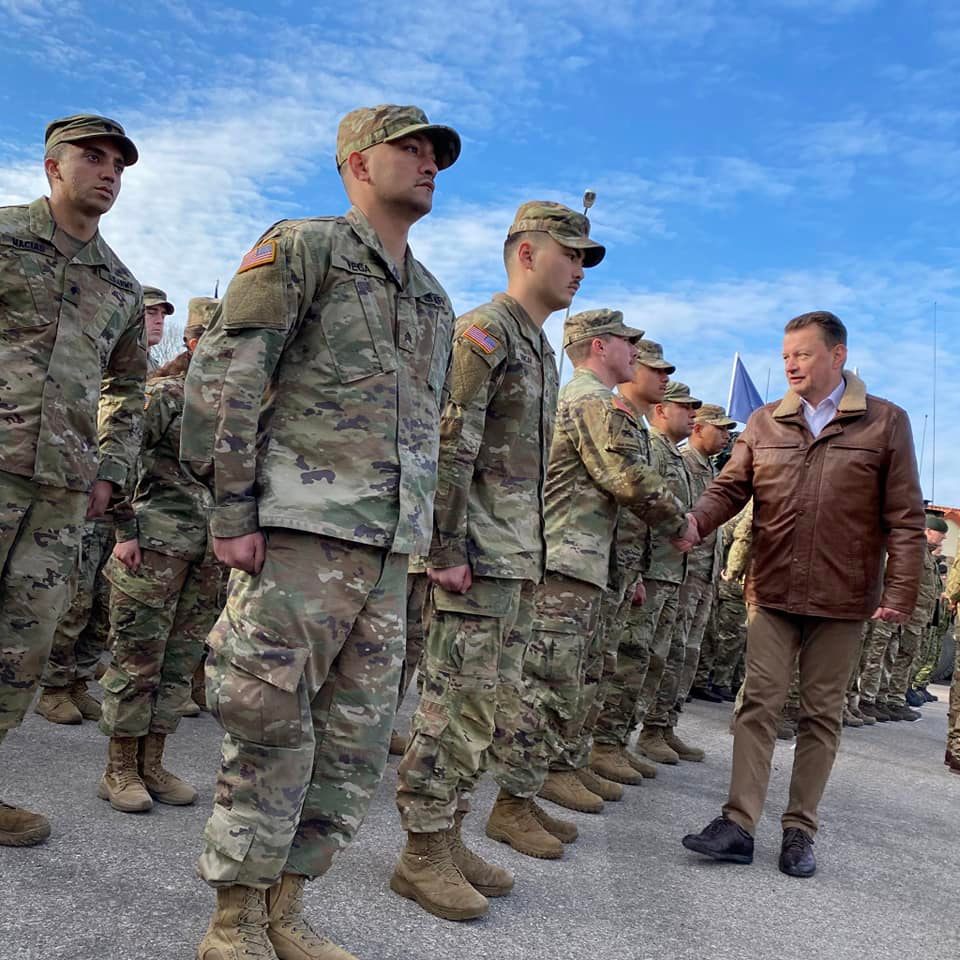
Poland is positioning itself as a key player in European defence and security. Reconciling its transatlantic approach with European Union (EU) defence initiatives, the nation is making significant strides towards becoming a leader in the region. This shift is not only reshaping Poland’s defence policy but also influencing the broader European security landscape.

Poland's commitment to enhancing its military capabilities is evident in its substantial increase in defence spending. The country has pledged to allocate over 2.5% of its GDP to defence, surpassing the NATO requirement. This investment is aimed at modernizing its armed forces, acquiring advanced military technology, and expanding its troop numbers. The procurement of F-35 fighter jets and the introduction of new missile defence systems are notable examples of Poland's efforts to bolster its defence capabilities.

The nation's strategic location in Eastern Europe, bordering Russia and Belarus, has heightened its awareness of regional security threats. Poland's active participation in NATO exercises and its hosting of American troops underscore its dedication to maintaining a robust defence posture. The establishment of the Permanent Forward Presence, a NATO initiative, further solidifies Poland’s role as a frontline state in European defence.

Poland's relationship with the United States remains a cornerstone of its defence strategy. The bilateral agreement for a permanent US military presence in Poland signifies a deepening of ties between the two nations. This move is seen as a deterrent against potential aggression from adversaries in the region. Poland's alignment with US defence policies complements its efforts to strengthen its own military capabilities and contribute to collective security in Europe.

Despite its strong transatlantic ties, Poland is also actively engaging with EU defence initiatives. The country is a participant in the Permanent Structured Cooperation (PESCO), an EU framework aimed at enhancing defence cooperation among member states. Poland’s involvement in PESCO projects, such as military mobility and the development of a European Medical Command, highlights its commitment to EU defence integration.

Balancing its transatlantic and European defence priorities, Poland is advocating for a more cohesive European defence policy. The nation emphasizes the importance of EU-NATO cooperation to address security challenges effectively. Poland’s stance is that a strong European defence framework should complement, not compete with, NATO’s capabilities.

Poland’s leadership ambitions in European defence are further supported by its defence industry. The country is investing in domestic defence production and innovation, aiming to become a key supplier of military equipment within Europe. Partnerships with international defence companies and the development of indigenous technologies are central to this strategy.

The geopolitical landscape in Europe is rapidly evolving, and Poland's proactive approach to defence is shaping its role as a security leader. The country's efforts to reconcile its transatlantic alliance with EU defence initiatives position it as a pivotal player in ensuring regional stability. Poland's leadership in European defence is not only enhancing its national security but also contributing to the collective security of the continent.

Poland's emerging leadership role in European defence and security is a testament to its strategic foresight and commitment to regional stability. By aligning its defence policies with both NATO and EU objectives, Poland is setting a precedent for other nations in the region. As the country continues to invest in its military capabilities and engage in international defence collaborations, its influence on European security dynamics is expected to grow.

The future of European defence may well be shaped by Poland’s ability to navigate the complexities of transatlantic and European cooperation. As it strives to reconcile these two dimensions of its defence policy, Poland is poised to become a linchpin in the broader European security architecture.

US Expresses Discomfort Over India-Russia Relationship

The United States has communicated its reservations regarding India's ongoing relationship with Russia, a stance that comes amidst the ongoing war in Ukraine. This diplomatic dissonance highlights the complex geopolitical balancing act India is attempting to navigate.

State Department spokesperson Matthew Miller acknowledged India's status as a "strategic partner" for the US, but emphasized that this partnership includes "a full and frank dialogue. " This dialogue, Miller confirmed, encompasses concerns harbored by the US regarding India's ties with Russia.

The timing of this disclosure is significant. It coincides with a recent visit by Indian Prime Minister Narendra Modi to Russia, where he held talks with President Vladimir Putin. This visit drew scrutiny from the West, given Russia's ongoing military actions in Ukraine.

While the US has not explicitly pressured India to sever its ties with Russia, it has urged New Delhi to leverage its influence to promote a resolution that upholds the principles enshrined in the UN Charter. These principles, the US maintains, include respect for Ukraine's sovereignty and territorial integrity.

India, however, has a long-standing relationship with Russia, one that predates the current conflict in Ukraine. Russia remains a crucial supplier of military equipment to India, and the two nations have collaborated on various defense projects. Additionally, India relies on Russia to a significant degree for its energy needs.

These longstanding ties, coupled with India's strategic concerns regarding China, have compelled New Delhi to maintain a neutral stance on the Russia-Ukraine war. India has abstained from condemning Russia's actions at the UN Security Council and has continued to engage with both sides in the conflict.

The US, on the other hand, has been a staunch supporter of Ukraine, imposing severe sanctions on Russia and providing significant military and economic aid to the Ukrainian government. This disparity in approaches has created a degree of tension within the US-India relationship.

However, both nations recognize the value of their strategic partnership. The US views India as a crucial counterweight to China's growing influence in the Indo-Pacific region. India, in turn, seeks US support in its efforts to modernize its military and bolster its economic development.

Navigating this complex situation will require diplomatic dexterity from both sides. The US will need to acknowledge India's security concerns and its longstanding ties with Russia, while India will need to find ways to address US anxieties regarding its neutrality in the ongoing conflict. The future trajectory of the US-India relationship will depend on their ability to bridge this diplomatic gap.

Opposition Party Levels Accusations at TMC over Public Assault Video

The Bharatiya Janata Party (BJP) has reignited accusations of violence against women perpetrated by members of the Trinamool Congress (TMC) in West Bengal. This comes after a video emerged on social media allegedly showing a woman being assaulted in public by men affiliated with the TMC.

The video, shared by BJP IT cell head Amit Malviya, depicts a group of men surrounding and whipping a woman. Malviya alleged that the attackers were associates of TMC MLA Madan Mitra and claimed they "routinely whip women in public. " He further linked the incident to a previous alleged lynching of a woman and her daughter by Mitra's associates.

The TMC has yet to respond to the latest allegations. However, in a previous incident involving a public "kangaroo court" punishment where a couple was whipped, TMC leaders condemned the act and distanced themselves from the accused, stating the individual held no official party position.

The National Commission for Women (NCW) has taken cognizance of the video and expressed strong condemnation of the assault. The commission has urged West Bengal authorities to conduct a fair and time-bound investigation into the incident. The NCW has also emphasized the need for swift action, including the arrest of the accused and the provision of medical treatment to the victim.

This is not the first time the TMC has faced criticism over violence against women. The party has been accused of turning a blind eye to such incidents, particularly in rural areas. The BJP has capitalized on these accusations, portraying the TMC as fostering a culture of impunity and lawlessness in the state.

Independent observers have expressed concern about the rise in violence in West Bengal, urging all political parties to desist from making inflammatory statements and work towards ensuring the safety and security of women. Civil society organizations have also called for stricter enforcement of laws against violence and harassment, as well as improved access to justice for victims.

The veracity of the video and the extent of TMC involvement remain under investigation. However, the incident has undoubtedly cast a shadow on the party's record on women's safety and security. It is likely to further fuel political tensions in West Bengal in the lead-up to upcoming elections.