
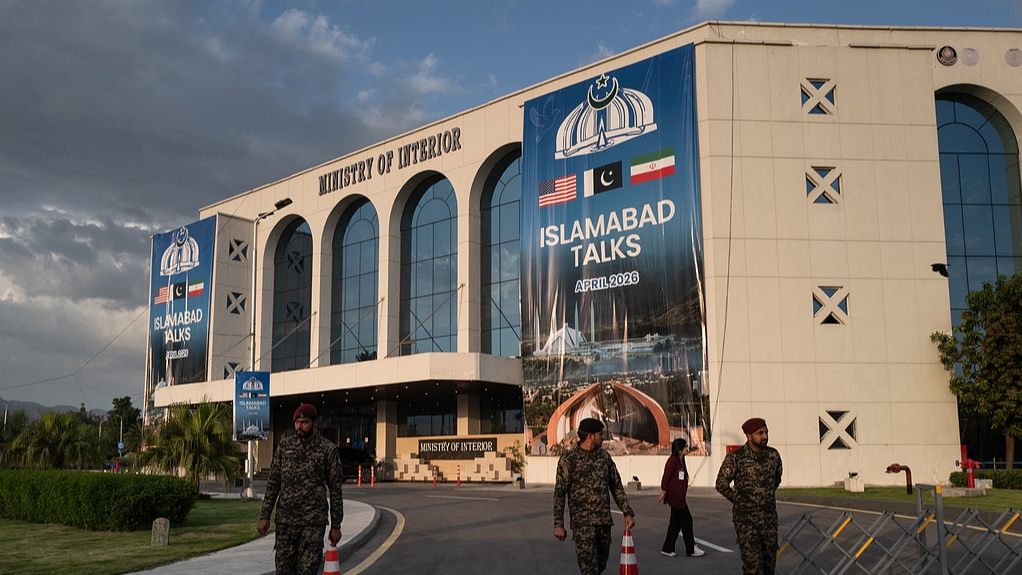
 Suspense continues to hang over a proposed new round of United States-Iran diplomacy in Islamabad after Tehran signalled that no follow-up meeting has been agreed and no timetable has been settled, injecting fresh uncertainty into an already fragile process. Iran’s foreign ministry spokesman, Esmaeil Baghaei, said there was no plan at present for another round of negotiations with Washington, undercutting expectations that contacts could resume within days.
 The remarks came after the first Islamabad round ended without an agreement and as Pakistan continued efforts to keep both sides engaged. Officials in Islamabad have projected cautious confidence that Iran could still join talks if enough diplomatic ground is prepared, but Tehran’s latest position has made clear that attendance cannot be assumed. That leaves the proposed “Islamabad 2.0” meeting in limbo, with diplomacy still alive but lacking a settled format, venue confirmation from all parties, or an agreed start date.
At the centre of the deadlock is a familiar mix of mistrust, sequencing disputes and sharply different views of what negotiations should achieve. Iranian officials have indicated that a framework of understanding must be reached before another formal round is convened. That position suggests Tehran is seeking clearer guarantees on the scope of any discussions and the conduct of the United States before returning to the table. Washington, by contrast, has kept pressing for rapid follow-up diplomacy as it tries to prevent the wider crisis from deepening.
Baghaei’s comments also point to a deeper political problem beyond scheduling. Tehran has accused Washington of failing to show seriousness about diplomacy, arguing that public support for negotiations has been contradicted by pressure tactics and hostile actions. The hardening tone reflects how easily diplomatic openings can be narrowed when one side believes the other is negotiating from a position of coercion rather than compromise. Even where back-channel contacts continue, public distrust can make it harder for negotiators to sell another round at home.
Pakistan’s role has consequently become more important. Islamabad has tried to present itself as a credible intermediary able to host difficult talks at a moment when traditional channels are under strain. Security preparations in the capital, including heightened deployments and contingency planning, have underscored how seriously Pakistani authorities are treating the possibility of another high-level encounter. Yet the elaborate groundwork has also highlighted the political risks of hosting diplomacy that may not materialise on schedule.
The uncertainty around Islamabad is also notable because the broader US-Iran negotiating track has moved through several venues over the past year, including Oman and Geneva, with mediation by regional actors playing a central role. Earlier rounds produced signs of progress but stopped short of a breakthrough, leaving both sides with enough incentive to keep talking and enough disagreement to keep stalling. That pattern has been repeated in the current phase: neither side appears eager to shut the door completely, but neither has shown readiness to concede on the core issues that would unlock durable movement.
For Washington, the value of an Islamabad sequel lies in preserving momentum and avoiding a slide from diplomatic ambiguity into military escalation. For Tehran, caution may serve several purposes at once: signalling displeasure, extracting better terms, testing intermediaries and showing domestic audiences that it will not re-enter talks under visible pressure. That makes Baghaei’s formulation important. He did not declare diplomacy dead; he said no plan exists for the next round at this stage. In diplomatic language, that leaves room for movement while emphasising that the initiative now requires rebuilding.
Markets and regional capitals will be watching closely because the talks are tied to a wider confrontation that has already shaken strategic calculations across the Middle East. Any sign that the US and Iran are unable to resume structured dialogue could feed anxiety over energy routes, shipping security and the durability of ceasefire arrangements linked to the present crisis. The absence of a date for “Islamabad 2.0” therefore matters beyond diplomacy itself: it is being read as a barometer of whether de-escalation still has a viable political channel.