
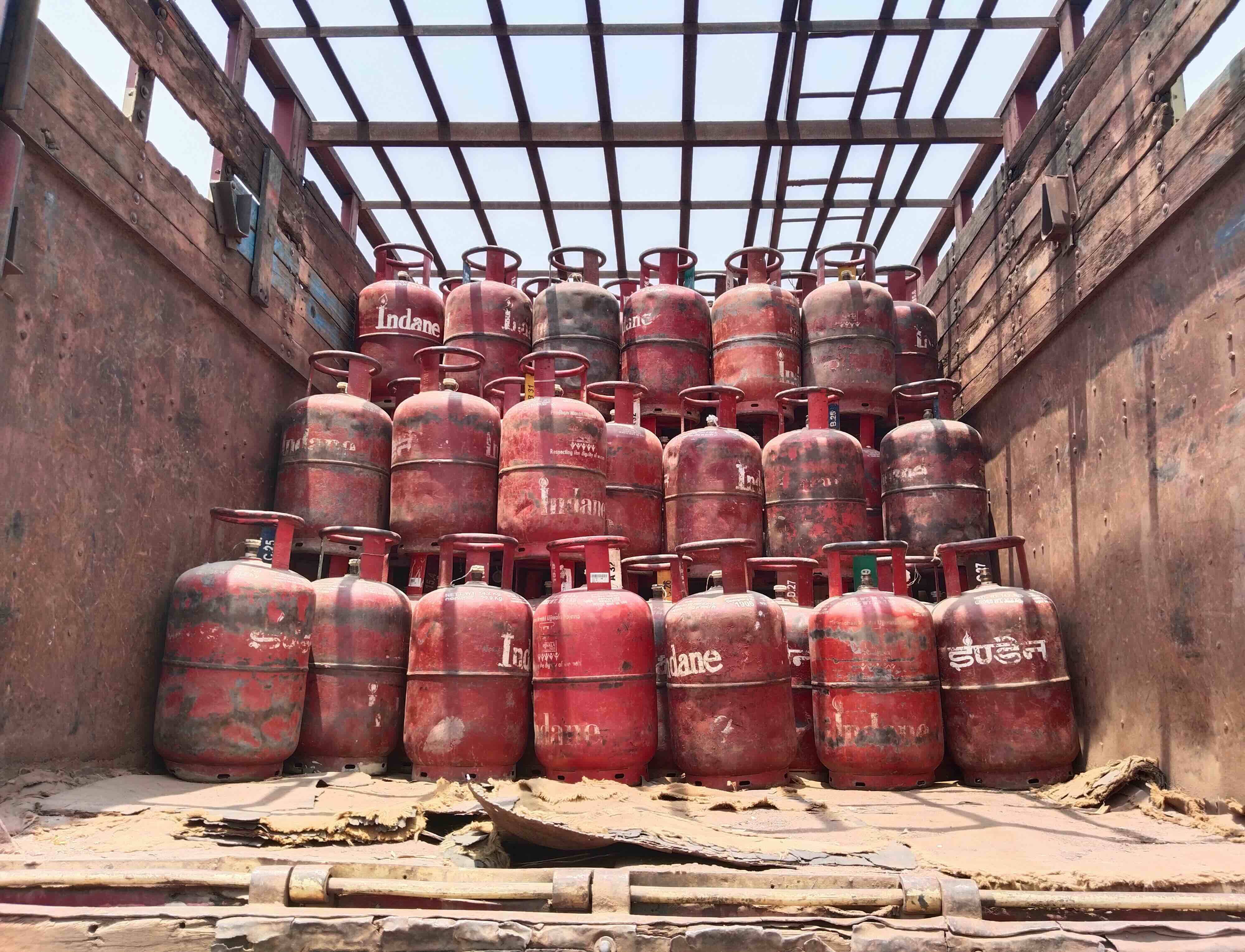
 Two liquefied petroleum gas carriers linked to India have begun moving through the Strait of Hormuz after being delayed amid heightened hostilities between Iran and Israel, signalling a tentative easing of pressure on one of the world’s most critical energy corridors.
Shipping data and maritime officials indicate that the vessels, which had remained anchored in the Persian Gulf as missile exchanges and drone activity intensified, were cleared to proceed under tighter navigation advisories and enhanced monitoring. Their movement comes as regional and international actors push to prevent further disruption to oil and gas shipments through the narrow waterway that handles a significant share of global energy flows.
The development offers cautious relief to import-dependent markets that had been bracing for prolonged delays. India, one of the largest buyers of LPG for domestic consumption and industrial use, had been closely tracking the status of the vessels as part of broader contingency planning. Industry executives said any sustained interruption in Hormuz traffic could have tightened supply conditions and driven up freight and insurance costs.
The Strait of Hormuz, a chokepoint between Iran and Oman, has long been vulnerable to geopolitical shocks. Tensions escalated after exchanges of fire between Iran and Israel raised fears of spillover into maritime routes. Commercial shipping in the Gulf slowed as operators reassessed risks, with several vessels opting to delay transit or reroute where possible. War risk premiums for tankers surged, reflecting concerns over potential targeting or accidental damage.
Maritime security agencies issued repeated advisories urging vessels to maintain heightened vigilance, limit communications, and adhere strictly to designated corridors. Naval deployments by regional and allied forces increased patrols to deter escalation and ensure safe passage, though the situation remained fluid. Analysts noted that even without a direct blockade, the perception of risk can be enough to disrupt shipping patterns.
For LPG carriers, the stakes are particularly sensitive. Unlike crude oil tankers, LPG shipments are closely tied to seasonal demand cycles and domestic consumption needs. Delays can ripple through supply chains, affecting cooking fuel availability and petrochemical feedstock for industry. Traders said the temporary immobilisation of vessels in the Gulf had already begun to influence pricing benchmarks in parts of Asia.
Energy market participants are also watching how insurers and charterers respond in the coming weeks. Higher premiums and stricter contractual clauses have become common during periods of instability in the Gulf. Some shipowners have sought additional guarantees before agreeing to transit, while others have factored in longer waiting times when calculating voyage economics.
Diplomatic engagement has intensified alongside these developments. Gulf states have called for restraint and emphasised the importance of keeping sea lanes open, warning that any prolonged disruption would have global repercussions. India has also engaged regional partners to ensure the safety of its commercial fleet and energy supplies, reflecting the strategic importance of uninterrupted flows from the Gulf.
Experts point out that while the movement of the two LPG carriers suggests some improvement in immediate conditions, underlying risks persist. The Strait of Hormuz has witnessed periodic tensions for decades, and the current episode underscores how quickly security concerns can translate into economic uncertainty. Shipping companies are likely to remain cautious, maintaining contingency plans and closely monitoring security updates.
Market analysts say that even short-lived disruptions can leave a lasting imprint on freight rates and insurance costs. The latest episode has reinforced the need for diversified supply routes and strategic reserves, particularly for countries heavily reliant on imports from West Asia. India has been expanding its storage capacity and exploring alternative sourcing options, though the Gulf remains central to its energy mix.
The broader energy market has shown resilience so far, with no sustained supply shock emerging from the incident. However, volatility has increased, and traders remain sensitive to any escalation that could threaten tanker traffic. The safe passage of the two LPG carriers is being viewed as a test case for whether commercial shipping can continue with manageable risk levels under heightened tensions.