
 Himachal Pradesh’s Congress-led government has approached the Supreme Court of India seeking clarity on the scope of a high court ruling that declined permission to withdraw, in full, criminal cases registered against elected representatives for offences described by the state as non-serious. The move escalates a legal contest over prosecutorial discretion and the limits of judicial oversight when cases involve public office-holders.
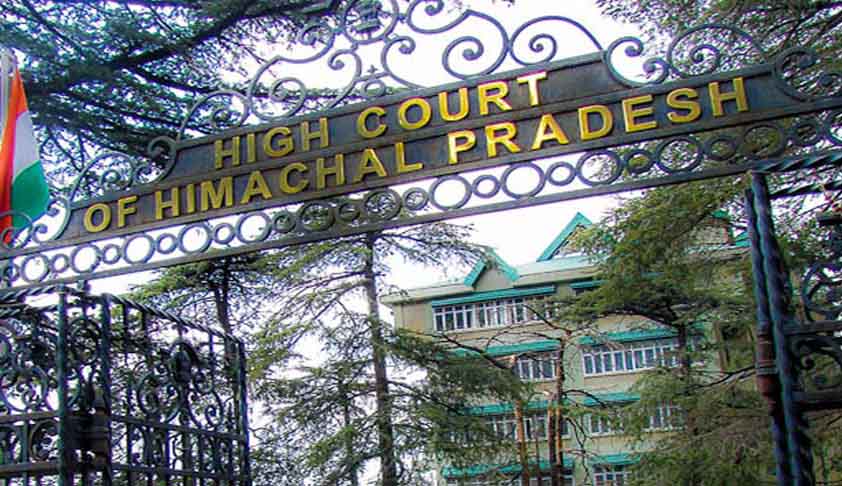
The appeal questions a decision of the High Court of Himachal Pradesh, which refused to allow the state to withdraw all 65 first information reports naming current and former members of Parliament and state legislators across political parties. The state argues that the high court’s approach narrows powers vested in the executive and public prosecutors under criminal law, particularly where withdrawals are recommended after a case-by-case assessment.
At issue are 65 FIRs lodged over several years that the government maintains relate to minor, non-heinous offences, including alleged violations arising from protests, assemblies, and administrative breaches. According to the state’s petition, public prosecutors evaluated each matter independently and advised withdrawal where continuation would not serve the public interest, would burden courts, or would not lead to conviction. The government contends that the high court’s refusal to permit withdrawal “in entirety” frustrates these recommendations.
The background dates to July 20, 2023, when the Congress government headed by Sukhvinder Singh Sukhu moved the high court seeking permission to withdraw prosecutions against sitting and former MPs and MLAs across parties. The plea emphasised that the proposed withdrawals were not blanket political decisions but stemmed from prosecutorial scrutiny under the Code of Criminal Procedure, which requires judicial approval for such steps.
In its challenge before the apex court, the state asserts that the high court conflated the principle that cases against legislators warrant heightened scrutiny with an inflexible bar on withdrawals. The government argues that the law permits withdrawals when prosecutors, acting independently, determine that the public interest would be better served by discontinuance, provided courts are satisfied that the decision is not mala fide or intended to shield wrongdoing.
Legal observers note that the case sits at the intersection of two competing imperatives: preventing misuse of prosecutorial powers to protect political allies and preserving executive discretion to unclog courts and avoid pursuing marginal cases. Over the past decade, courts have repeatedly underlined the need for transparency and strict standards when cases involve lawmakers, citing the corrosive effect of prolonged criminal proceedings on public trust.
The high court, while examining the state’s earlier plea, underscored the constitutional importance of accountability for elected representatives and the need to deter criminalisation of politics. It signalled that withdrawals affecting lawmakers cannot be treated on par with those involving private citizens, especially when allegations touch on public order or misuse of authority. The refusal to permit withdrawal “in entirety” reflected this caution, though the court left room for the state to pursue limited withdrawals subject to judicial scrutiny.
The state’s appeal to the Supreme Court seeks a definitive articulation of the legal test. It argues that a uniform, restrictive approach risks paralysing prosecutorial judgment and undermines the statutory framework that entrusts prosecutors with evaluating evidentiary strength and public interest. The petition also points to the strain on trial courts, suggesting that proceeding with low-stakes cases diverts resources from serious crime.
Opposition voices within the state have criticised the move, framing it as an attempt to dilute accountability for politicians. They argue that even non-serious offences, when involving lawmakers, merit adjudication to reinforce the rule of law. Supporters of the government counter that criminal law has often been invoked during political mobilisation and that perpetuating such cases years later serves little purpose.
The Supreme Court’s consideration is expected to weigh prior jurisprudence that demands courts ensure withdrawals are not politically motivated while recognising prosecutorial autonomy. Past rulings have held that judges must satisfy themselves about the bona fides of withdrawals without substituting their own views for that of the prosecutor, except where public interest is demonstrably compromised.