
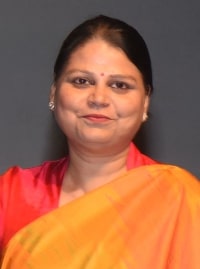
 Bharatiya Janata Party parliamentarian Nishikant Dubey has delivered a combative defence of Prime Minister Narendra Modi, portraying him as a leader whose influence eclipses his political adversaries and accusing the opposition of fostering disorder for electoral gain.
Speaking on the television programme Aap Ki Adalat, Dubey said Modi commands such stature that opponents invoke his name “the way people chant Ram”, arguing that the prime minister has become the central reference point in national politics. He contended that critics blame Modi for every setback, from economic strains to social tensions, and claimed this pattern reflects what he described as a lack of substantive alternatives from rival parties.
Dubey’s remarks come at a time when political rhetoric has sharpened ahead of key electoral contests, with the BJP projecting Modi as the fulcrum of governance and stability while opposition leaders seek to frame the government as increasingly centralised and intolerant of dissent. By elevating Modi’s image to near-symbolic proportions, Dubey reinforced the party’s broader strategy of personalising political debate around the prime minister’s leadership.
During the interview, Dubey dismissed opposition slogans such as “Narendra surrender” as theatrics designed to attract headlines rather than engage in policy critique. He criticised the conduct of opposition members in Parliament, alleging repeated disruptions and claiming that legislative business has been hampered by coordinated protests. Parliamentary sessions in the past few years have seen frequent adjournments amid disputes over investigations, economic policy, and allegations traded between treasury and opposition benches.
Dubey also revived the contentious term “urban Naxal”, used by some within the BJP and its supporters to describe activists and critics whom they accuse of sympathising with left-wing extremism. Referring to Rahul Gandhi, a senior leader of the Congress party, Dubey suggested that the label was “too small” to capture what he characterised as the scale of opposition obstruction. The phrase has long been disputed by civil rights advocates and opposition figures, who argue it unfairly conflates dissent with extremism and chills free expression.
On governance, Dubey said Modi has “risen above questions”, asserting that the prime minister’s global standing underscores his authority at home. He cited public comments by former United States president Donald Trump, who has described Modi as a friend, as evidence of international recognition. Modi’s government has emphasised diplomatic outreach and strategic partnerships, including engagements with Washington, European capitals and countries in West Asia, positioning foreign policy as a pillar of its record.
Opposition leaders have countered that such praise abroad does not substitute for accountability domestically. They have pressed the government on unemployment data, inflation, and concerns about institutional autonomy, arguing that concentration of power in the executive demands stronger scrutiny rather than deference. Gandhi has repeatedly accused the government of favouring select corporate groups and undermining federal principles, charges the BJP rejects.
Dubey’s intervention also touched on representation within the bureaucracy. He accused governments before 2014 of failing to grasp the importance of social inclusion in administrative structures, contending that the current administration has expanded opportunities for historically underrepresented communities. Since taking office in 2014, the Modi government has highlighted appointments and welfare schemes aimed at marginalised groups, while critics maintain that structural inequalities persist and require broader reforms.
The exchange on Aap Ki Adalat underscores the increasingly personalised tone of political discourse. Analysts note that Modi remains the BJP’s most potent electoral asset, having led the party to two consecutive parliamentary majorities. Campaign messaging often centres on his image, record on welfare delivery, infrastructure expansion and national security, alongside appeals to cultural identity.