
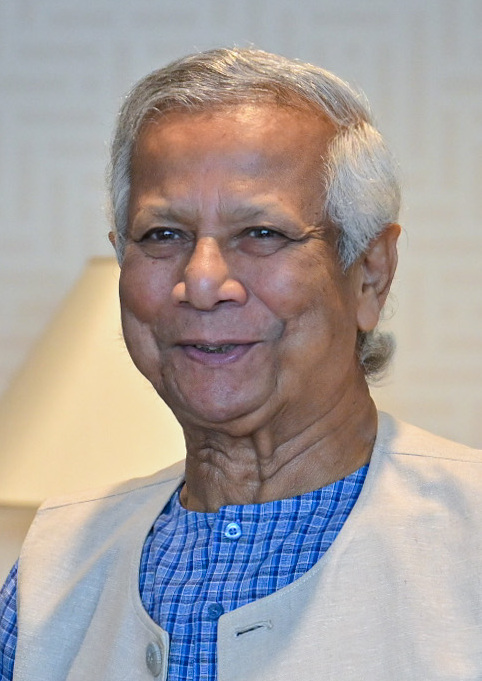
 Muhammad Yunus is preparing to hand over power after parliamentary elections on 12 February delivered a clear victory to the Bangladesh Nationalist Party, setting the stage for a significant political transition in Dhaka and prompting close scrutiny from regional capitals.
Preliminary and party tallies indicate the BNP secured a working majority in the Jatiya Sangsad, defeating rivals in a contest marked by high voter turnout and intense campaigning. Yunus, who had led a caretaker-style administration during a turbulent period in national politics, is expected to oversee an orderly transfer of authority once formal certification of results is completed by the Election Commission.
The outcome marks a decisive shift in Bangladesh’s political landscape. Yunus, a Nobel Peace Prize laureate best known for pioneering microfinance through Grameen Bank, had stepped into a leadership role amid deep political polarisation. His tenure was framed by supporters as an attempt to stabilise governance and safeguard institutions during a fraught phase. Critics, however, questioned the durability of an unelected or transitional arrangement in a parliamentary democracy.
BNP leaders described the result as a mandate to restore what they call “full parliamentary normalcy” and pledged to focus on economic stabilisation, inflation control and institutional reform. Senior figures within the party signalled that cabinet formation would prioritise experienced lawmakers and technocrats capable of addressing mounting fiscal pressures and external debt obligations.
Bangladesh’s economy has faced headwinds over the past two years, including currency volatility, pressure on foreign exchange reserves and rising import costs. Garment exports, which remain central to the country’s growth model, have shown resilience but are exposed to shifts in global demand. Analysts note that the incoming administration will need to balance domestic political consolidation with pragmatic economic management, particularly in negotiations with multilateral lenders and development partners.
New Delhi is watching developments closely as Bangladesh moves into what officials privately describe as a post-Yunus phase. Senior intelligence and diplomatic sources have indicated that engagement will continue with the “government of the day” under the BNP, reflecting a long-standing approach of maintaining working ties irrespective of political leadership in Dhaka. Bilateral cooperation spans security coordination, cross-border infrastructure, trade and water-sharing arrangements along shared river systems.
Relations between Dhaka and New Delhi have evolved through cycles of political change. Cooperation on counter-terrorism and connectivity projects expanded in the past decade, while trade volumes increased steadily, making India one of Bangladesh’s largest regional partners. At the same time, issues such as border management, migration sensitivities and river water distribution have periodically generated friction. Observers say the tone adopted by the BNP leadership in its early weeks will be closely examined in South Block.
Regional dynamics add another layer of complexity. Bangladesh occupies a strategic position in the Bay of Bengal, a zone of growing geopolitical competition involving China, the United States and regional powers. Infrastructure financing, port development and defence procurement decisions taken by the next government could influence the broader balance of influence in South Asia. Yunus had maintained a relatively calibrated foreign policy posture, seeking to preserve economic partnerships across competing blocs.
Within Bangladesh, the political transition comes after months of mobilisation by opposition supporters who argued for a reset in governance. BNP leaders campaigned on promises of electoral reform, judicial independence and measures to reduce the cost of living. Civil society groups have urged the new administration to ensure protections for media freedom and minority rights, stressing that stability depends on inclusive governance.
Security agencies remain on alert during the handover period, although there have been no widespread reports of violence linked to the announcement of results. International observers have called for transparency in final vote tabulations and for all parties to respect constitutional processes. Yunus, in remarks to supporters earlier this week, emphasised the importance of peaceful transition and urged political actors to avoid rhetoric that could inflame tensions.
The incoming government will inherit a young and rapidly urbanising population with rising expectations. Bangladesh has made substantial gains in literacy, women’s participation in the workforce and poverty reduction over the past two decades. Sustaining that trajectory will require policy continuity in education, digital infrastructure and climate resilience, particularly as the country remains vulnerable to flooding and extreme weather.