
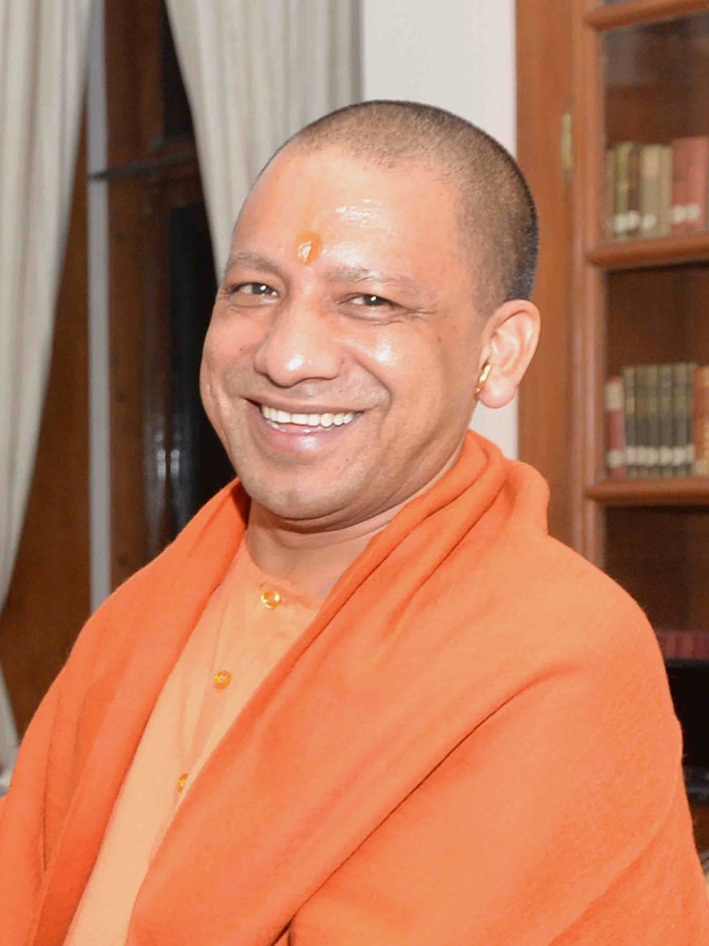
 Political activity in Uttar Pradesh has sharpened after Chief Minister Yogi Adityanath held a series of meetings in New Delhi with Prime Minister Narendra Modi, Union Home Minister Amit Shah and other senior figures of the Bharatiya Janata Party, prompting fresh conjecture over a cabinet expansion and an organisational reshuffle in the state unit. Officially characterised as courtesy calls, the engagements have nevertheless coincided with a period of heightened internal review within the party and have drawn attention to the next phase of governance and political management in the country’s most populous state.
The chief minister’s interactions in the capital come at a time when the state administration is assessing the performance of departments midway through its term, with feedback mechanisms feeding into decisions on leadership responsibilities. Within party circles, there is an expectation that adjustments could follow to address administrative bottlenecks, balance regional representation and sharpen the delivery of flagship programmes. While no formal announcement has been made, the clustering of meetings has been read as a signal that consultations have entered a decisive stage.
Senior leaders familiar with the discussions say the focus has been on governance outcomes, law and order indicators, and the pace of infrastructure delivery, alongside political organisation ahead of upcoming electoral contests. Uttar Pradesh has been central to the party’s national strategy, and its leadership structure has historically been recalibrated to align administration with electoral imperatives. Any cabinet expansion would likely aim to induct fresh faces from under-represented regions and social groups, while a reshuffle could also see underperforming portfolios reassigned.
Speculation has also centred on the state party organisation, where changes have been under consideration for months. The organisational wing plays a critical role in coordinating grassroots mobilisation, and there has been a sustained push to strengthen booth-level structures. Party functionaries point out that a reconfiguration could involve new appointments to key posts to energise cadres and improve coordination with the government. Such moves have precedent, with earlier cycles seeing organisational changes precede or follow cabinet adjustments to ensure alignment.
Adityanath’s political stature has grown since his first term, anchored in a governance narrative that emphasises administrative control, investment facilitation and social welfare delivery. The state has recorded steady capital expenditure growth, with large-scale projects in expressways, airports and urban redevelopment reshaping economic geography. Supporters argue that these outcomes have strengthened the chief minister’s hand in discussions with the central leadership, while critics within the opposition contend that the concentration of authority has left little room for internal dissent.
Within the cabinet, several ministers are believed to be under review based on performance metrics and public feedback. Party insiders indicate that the leadership is weighing the benefits of continuity against the need for renewal, particularly as policy priorities evolve. A limited expansion could also be used to accommodate emerging leaders who have demonstrated organisational effectiveness or electoral appeal, thereby broadening the government’s bench.
The timing of the Delhi meetings has added to the intrigue. With legislative business and policy rollouts scheduled in the months ahead, any changes would need to be executed with minimal disruption. The state government is currently focused on budgetary planning, welfare scheme rollouts and law enforcement initiatives, areas that are closely monitored by the central leadership. Ensuring administrative stability while introducing political adjustments is seen as a delicate balance.
Opposition parties have sought to frame the developments as evidence of internal recalibration driven by electoral considerations. Leaders from rival formations have argued that speculation over reshuffles reflects pressures within the ruling party to maintain cohesion across a vast and diverse state. The ruling party, however, has dismissed such claims, reiterating that routine consultations between state and central leaders are part of established practice.