
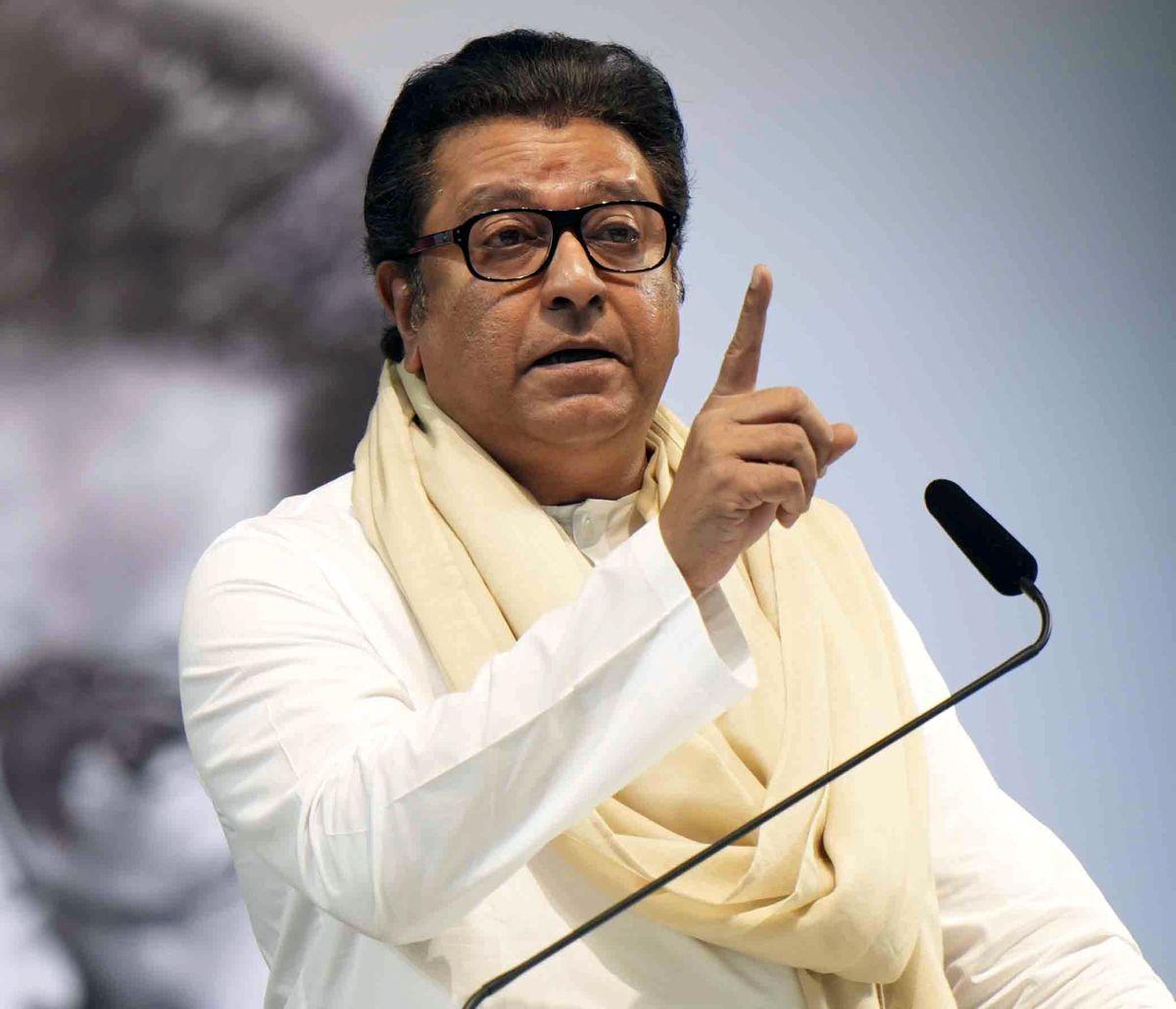
 Maharashtra Navnirman Sena chief Raj Thackeray accused the Election Commission and the state administration of undermining the integrity of the electoral process on Thursday, alleging that official machinery was being aligned to secure victory for the ruling party. Speaking shortly after casting his vote, Thackeray said such conduct eroded democratic norms and raised doubts about the credibility of the contest.
Thackeray voted at the Balmohan School polling booth in Dadar, a central Mumbai constituency with a long electoral history. Addressing reporters outside the booth, he criticised what he described as the visible role of the administration in shaping electoral outcomes. “When the entire administration and system work to bring the ruling party back to power, it cannot be called a true victory,” he said, adding that elections must reflect the will of voters rather than institutional influence.
The remarks were directed at both the state government and the Election Commission of India, which oversees electoral conduct. Thackeray suggested that decisions taken during the campaign period, including enforcement of the model code of conduct and the handling of complaints, had favoured those in power. He said a democracy could not function healthily if citizens believed outcomes were predetermined.
Polling across Maharashtra has been marked by tight security and high political stakes, particularly in urban centres such as Mumbai and Pune where turnout patterns often influence overall results. Dadar, where Thackeray voted, is regarded as a symbolic battleground, given its association with regional politics and Marathi identity movements that have shaped the state’s political discourse for decades.
Leaders of the Maharashtra Navnirman Sena have repeatedly raised concerns over the neutrality of administrative officials during the campaign. Party workers have alleged selective action against opposition activists and uneven enforcement of election rules. While no formal findings have been announced by authorities, the accusations have added to an already charged atmosphere.
Election officials have consistently rejected claims of bias, stating that procedures are applied uniformly and that mechanisms exist for candidates to raise grievances. The Commission has emphasised that observers are deployed across constituencies to ensure compliance with rules and to intervene when irregularities are detected. Senior officials have urged political leaders to avoid statements that could undermine public confidence in the process.
Political analysts note that allegations against election authorities often intensify during closely fought contests, especially when regional parties perceive structural disadvantages against larger national formations. In Maharashtra, the contest has seen alliances recalibrated and rhetoric sharpened, reflecting broader anxieties about the balance of power between state-level movements and dominant ruling coalitions.
Thackeray’s intervention also reflects his party’s effort to position itself as a watchdog of democratic norms rather than merely a regional player. The MNS, which has experienced fluctuating electoral fortunes, has sought to regain relevance by focusing on governance issues and voter rights. By challenging the credibility of the electoral process, the party aims to tap into public unease over institutional accountability.
Voters at the Balmohan School booth offered mixed reactions to Thackeray’s comments. Some echoed his concerns, arguing that visible neutrality from authorities was essential to trust the outcome. Others said that allegations should be substantiated through formal complaints rather than public statements on polling day, warning that repeated claims of bias could discourage participation.