
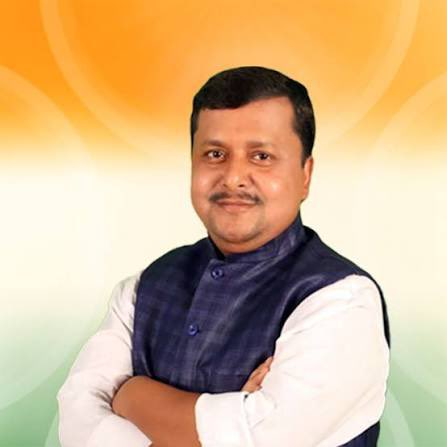
 Bharatiya Janata Party leaders are preparing for a leadership transition at the national level, with working president Nitin Nabin expected to be elevated as the party’s full-fledged national president on January 20, according to people familiar with the arrangements. The changeover is set to take place at a formal event attended by Prime Minister Narendra Modi and senior figures from across the party’s organisational and governmental spectrum.
The ceremony is expected to bring together chief ministers, national office-bearers, state party presidents and members of the national executive council, underscoring the significance the organisation attaches to continuity and unity ahead of a demanding political calendar. Party officials said the event would mark the end of the tenure of Jagat Prakash Nadda, who has been among the longest-serving presidents in the party’s history.
Nabin’s rise reflects a carefully managed succession rather than a sudden shift. Appointed working president earlier, he has overseen organisational coordination during a period marked by electoral campaigns, policy debates and internal restructuring. Senior leaders describe him as a consensus builder with a firm grasp of the party’s booth-level machinery, an attribute seen as critical as the organisation seeks to maintain discipline across its expanding footprint.
The outgoing president’s tenure is widely credited with strengthening the party’s institutional systems and electoral reach. Under Nadda, the party consolidated its national presence, sharpened campaign management strategies and navigated challenges ranging from public health crises to economic recovery debates. Leaders close to the transition say the change is framed as an orderly handover rather than a verdict on performance, with Nadda expected to continue playing a prominent role within the organisation and government.
The presence of the prime minister at the swearing-in has been interpreted by party strategists as a signal of confidence in Nabin’s leadership. The event is also expected to feature key members of the parliamentary leadership and heads of affiliated wings, highlighting the emphasis on coordination between the party organisation and governments it leads at the Centre and in states.
Within the party, Nabin is seen as a leader who blends organisational experience with an ability to communicate with both veteran leaders and newer cadres. He has worked closely with state units, focusing on membership drives, data-driven outreach and the integration of digital platforms into traditional campaigning. Supporters argue that these skills will be tested as the party prepares for multiple electoral contests and policy messaging challenges.
Political analysts note that leadership transitions within the party have typically been calibrated to ensure stability. The role of national president carries responsibility for steering strategy, managing internal dissent and aligning state units with national priorities. With a strong central leadership structure already in place, the incoming president’s task will involve sustaining momentum while adapting to evolving voter expectations and governance debates.
The transition also comes at a time when the party is recalibrating its approach to alliances, social outreach and economic narratives. Leaders involved in preparations say internal consultations have focused on maintaining ideological coherence while broadening appeal among urban voters, youth and first-time participants. The national executive council meeting linked to the changeover is expected to discuss organisational reforms and campaign planning frameworks.