
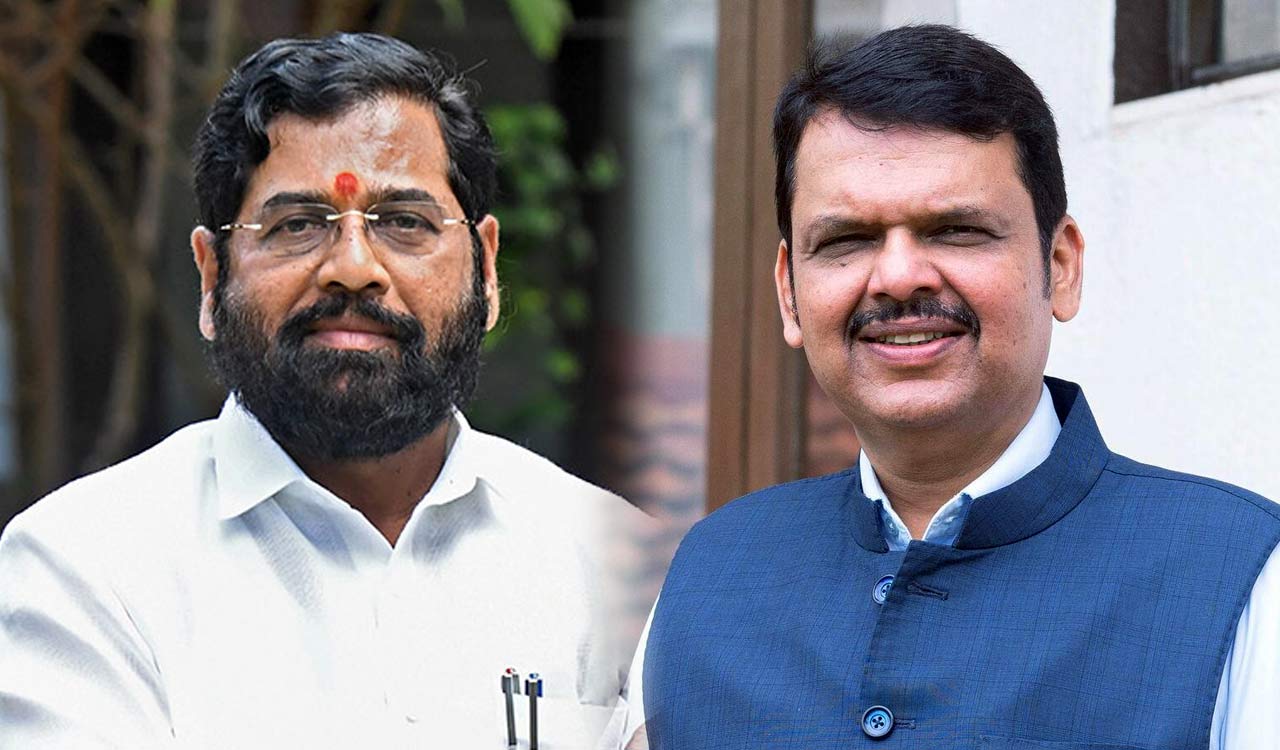
 Speculation of a split within Maharashtra’s ruling alliance was brushed aside on Tuesday after Chief Minister Devendra Fadnavis said he and Shiv Sena leader and Deputy Chief Minister Eknath Shinde remain aligned, adding that a call on the Brihanmumbai Municipal Corporation mayor’s post would be taken after Shinde returns to Mumbai.
Speaking to reporters, Fadnavis described talk of discord as misplaced, stressing that decisions on civic leadership in Mumbai would follow consultations within the alliance once Shinde is back in the city. The statement sought to steady political nerves as negotiations continue over control of the country’s richest municipal body, whose budget and influence make it a key prize for all coalition partners.
The BMC has been administered by an appointed administrator since the expiry of the elected council, with the mayor’s post remaining vacant. Control of the civic body carries outsized political significance, shaping patronage networks and infrastructure priorities across Mumbai. Any perception of friction between the alliance partners risks complicating talks at a time when both sides are keen to project cohesion ahead of future electoral tests.
Fadnavis’s remarks came amid heightened chatter triggered by parallel meetings, separate public appearances and social media speculation suggesting strain between the Bharatiya Janata Party and the Shinde-led Shiv Sena faction. The chief minister countered those narratives, saying the partners have maintained regular communication and that differences, if any, are addressed internally.
Within the alliance, the mayoral question is tied to a broader understanding on power-sharing across civic bodies and boards. Leaders have indicated that a consensus approach is preferred, with the emphasis on administrative continuity in Mumbai rather than a rushed political announcement. The chief minister’s office has repeatedly underlined that the city’s governance cannot be reduced to headline politics, given ongoing infrastructure works and fiscal planning overseen by the administrator.
Shinde, whose faction controls a substantial bloc of legislators and wields influence in Mumbai’s local politics, has signalled in the past that decisions on civic leadership must reflect the alliance’s ground strength and electoral mandate. Allies acknowledge that the Shiv Sena’s traditional footprint in the metropolis gives the party a strong claim, while the BJP argues that stability and a negotiated settlement serve the coalition best.
Opposition parties have sought to capitalise on the uncertainty, alleging backroom bargaining and a lack of transparency. The ruling partners reject those charges, pointing out that the legal framework for the BMC requires adherence to procedures that are currently shaped by the absence of an elected council. Officials note that any political decision will have to align with statutory provisions and court directions governing municipal administration.
Political analysts say Fadnavis’s public reassurance is aimed at cooling speculation that could unsettle markets and civic administration alike. Mumbai’s municipal budget, running into tens of thousands of crore rupees, underpins major projects ranging from coastal roads to public transport upgrades. Prolonged ambiguity over leadership, they argue, can invite unnecessary political noise even as bureaucratic processes continue.