
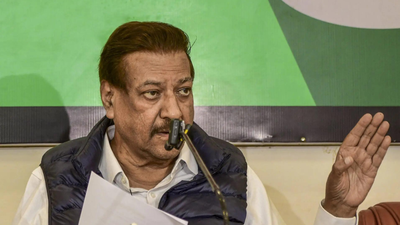
 A sharp political row unfolded after former Maharashtra chief minister Prithviraj Chavan criticised New Delhi for what he described as silence over the alleged detention of Nicolás Maduro, arguing that the episode struck at the foundations of national sovereignty and the principles of the United Nations charter.
Speaking on Tuesday, Chavan said the seizure of an elected head of state amounted to a grave breach of international norms and warned that the precedent could place any country at risk. “Whatever has happened in Venezuela is against the UN Charter. An elected president has been kidnapped. It’s a very grave concern that it could happen to any other country tomorrow. Tomorrow it can happen to India,” he said, calling on the government to articulate a clear diplomatic position.
The remarks immediately drew pushback from the ruling coalition, which accused Chavan of amplifying unverified claims and politicising foreign policy for domestic gain. Government representatives said diplomatic engagements are conducted through established channels and cautioned against public commentary that could complicate bilateral relations with United States or Venezuela. Officials also stressed that India’s approach to international disputes remains anchored in non-interference, respect for sovereignty, and dialogue.
Chavan’s comments nonetheless tapped into a wider debate about the evolving nature of power politics and the limits of international law. Analysts note that disputes involving sanctions, extraditions, and law-enforcement actions beyond national borders have tested the UN framework, particularly when major powers assert jurisdiction based on domestic statutes. Critics argue that such practices blur the line between lawful accountability and coercive action, while supporters maintain they are necessary to enforce international norms against leaders accused of wrongdoing.
Within opposition circles, Chavan’s warning was framed as a call for consistency. Senior leaders said India has historically defended sovereignty and non-alignment and should speak with clarity when the principle appears threatened, regardless of the country involved. They pointed to India’s long record of advocating multilateral solutions and its participation in peacekeeping and mediation efforts as reasons to publicly reaffirm those values.
Government allies countered that the facts surrounding Maduro remain contested and that Venezuela’s internal political crisis has generated overlapping claims of legitimacy. They said any statement must be grounded in verified information and coordinated with partners to avoid misinterpretation. Diplomats familiar with the issue said New Delhi continues to monitor developments while balancing energy, trade, and diaspora considerations in the region.
The controversy also revived discussion about India’s diplomatic bandwidth at a time when global commerce is expanding despite geopolitical frictions. International trade volumes have continued to climb as supply chains adapt to tariffs and sanctions, underscoring the complexity of navigating principles alongside economic interests. Observers say middle powers face increasing pressure to choose between normative positions and pragmatic engagement, especially when disputes involve competing blocs.
Legal scholars interviewed said the UN Charter provides clear protections against the use of force and interference in the political independence of states, but enforcement depends heavily on consensus among major powers. Where consensus fractures, outcomes are shaped by leverage rather than law. That reality, they said, fuels anxieties like those voiced by Chavan, even as governments weigh the risks of public alignment.