
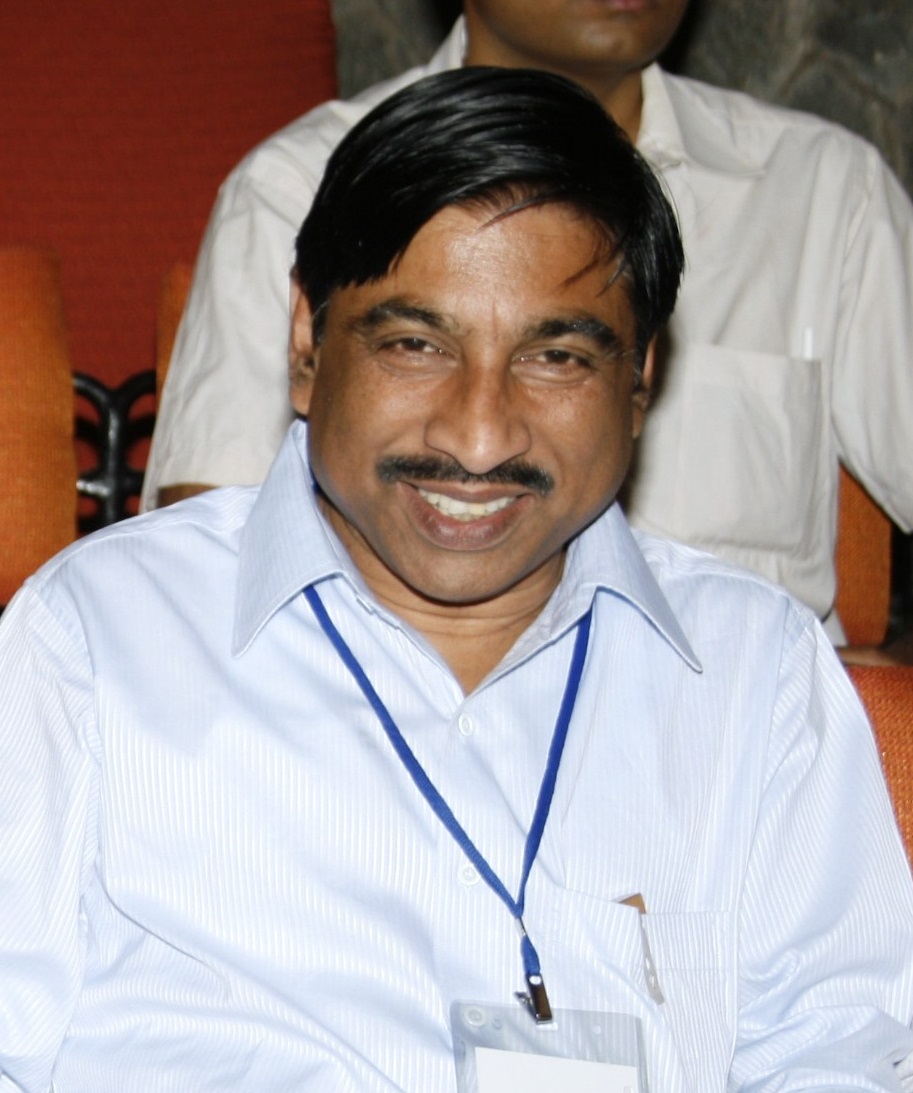
Muhammed’s remarks come amid a wave of petitions concerning historic places of worship that are pending before courts nationwide. He recalled his participation in the 1970s excavation at Ayodhya under B. B. Lal, asserting that evidence unearthed then — including carved temple pillars, terracotta idols and motifs of Hindu deities — confirmed a pre-existing temple beneath what became the Babri Masjid structure. He challenged claims by some historians that denied such evidence, recalling that at the time of excavation those critics had never visited the site.
Turning to the contentious sites of Mathura and Gyanvapi, Muhammed said both had witnessed destruction of temples followed by construction of mosques — Mathura’s Shahi Eidgah mosque and Varanasi’s Gyanvapi Mosque. He argued that acknowledging that history by restoring control to Hindu custodians of those sites offered a path to reconciling divergent narratives. He warned, however, that pursuing further claims beyond these three sacred places would only spark new disputes and contribute to societal volatility.
Critics of Muhammed’s stance contend that historical and archaeological interpretation is widely contested. Leaders from Muslim organisations have called into question the legitimacy of the findings cited in favour of temples beneath mosques, stating that any idols presently worshipped were introduced later and do not reflect the original character of the sites. They argue that legal instruments — such as the Places of Worship Act of 1991 — were designed to preserve the status of religious sites as of 1947, and revisiting them risks undermining the rule of law.
Supporters of Muhammed’s argument assert that his long career and hands-on exposure to excavations give his views weight as expert testimony. They argue that recognising past wrongs through legal restoration of control over these sites could defuse tensions that stem from unresolved historical grievances. Detractors contend that allowing reinterpretation of religious site ownership based on contested archaeology could set a precedent for a flood of similar claims, disrupting India's social fabric.