
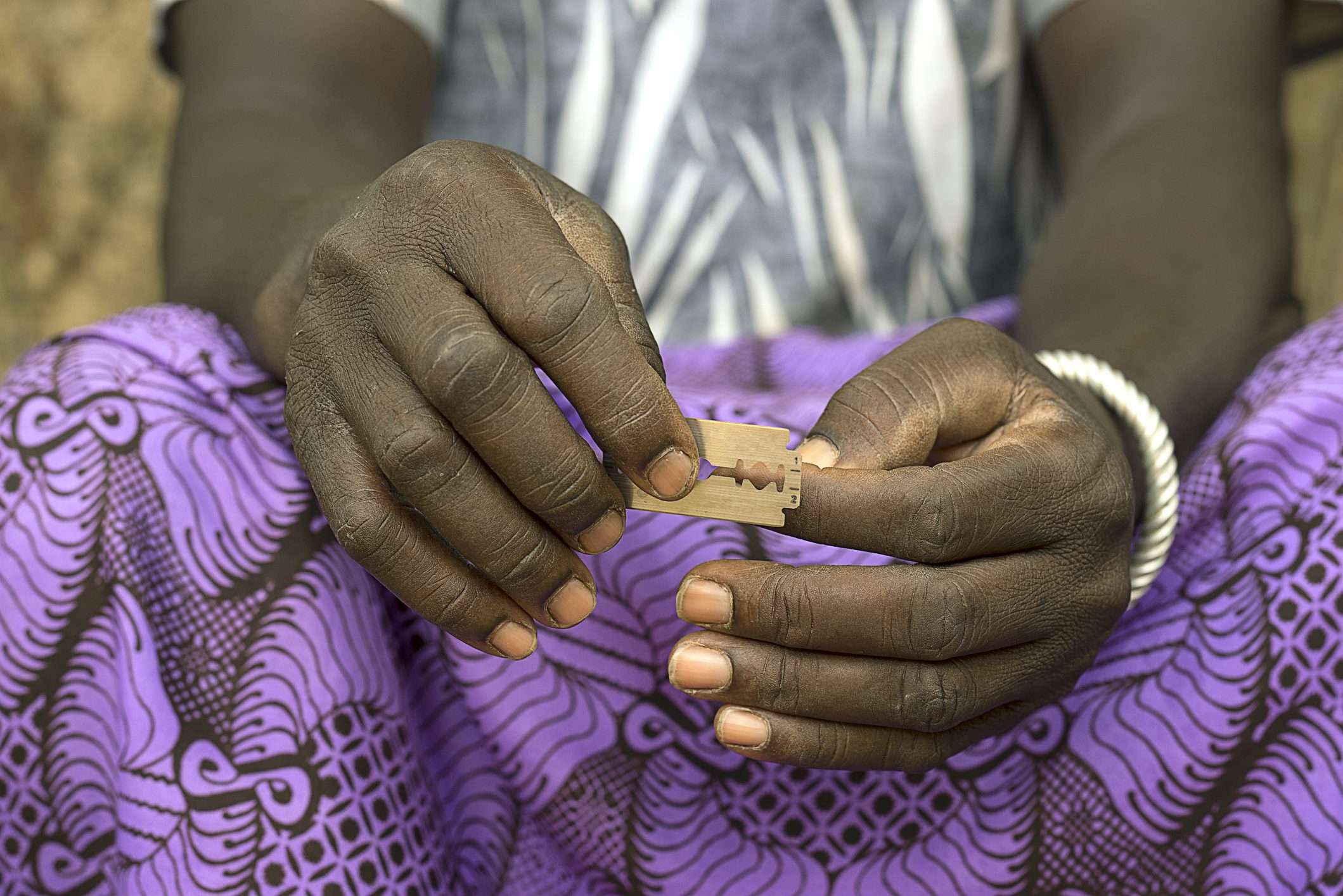
The petition argues that the practice—commonly known in the community as “khatna” or “khafd”—is not an essential tenet of Islam and constitutes a gross violation of children’s rights and bodily autonomy. The plea highlights that India lacks specific legislation criminalising such practices and contends that existing provisions under the Bharatiya Nyaya Sanhita and the Protection of Children from Sexual Offences Act should apply when such harm is inflicted on minors. It cites international human-rights standards, including classifications by the World Health Organization, pointing out that female genital mutilation/Cutting causes lasting physical and psychological harm.
According to the petition, the ritual typically involves partial removal of the clitoral hood in girls aged around seven. Research on the community’s practices suggests that a substantial proportion of women within the Dawoodi Bohra community have undergone FGM/C. Medical experts and human-rights activists emphasise that there is no medical justification for the ritual and that it carries risks of infections, complications during childbirth, chronic pain, and psychological trauma.
Legal experts analysing the petition note that the court must assess whether FGM/C qualifies as an “essential religious practice.” Indian jurisprudence dictates that only those practices foundational to a faith qualify for protection under constitutional guarantees for religious freedom. The petition contends that FGM/C does not meet that threshold, arguing that long-standing cultural tradition does not equate to religious necessity.