
 Mumbai’s Marathi-speaking electorate is showing a clear preference for the Uddhav Thackeray-led faction as the authentic inheritor of the Shiv Sena legacy, according to a survey released on Thursday, two weeks before polling for the Brihanmumbai Municipal Corporation. The findings suggest that twice as many Marathi-speaking voters in the Mumbai region identify the Thackeray faction as the “real Shiv Sena” compared with the group led by Maharashtra Deputy Chief Minister Eknath Shinde, highlighting a sharp divide within a constituency that has historically shaped the city’s civic politics.
The survey, conducted across key municipal wards with significant Marathi-speaking populations, places the Shiv Sena split at the centre of voter sentiment ahead of the January 15 civic polls. It indicates that identification with the party’s traditional leadership and symbolism remains a decisive factor, outweighing organisational realignments that followed the split. Respondents cited continuity of leadership, ideological familiarity and emotional attachment to the party’s past as primary reasons for aligning with the Uddhav Thackeray camp.
Beyond factional recognition, the data points to a broader undercurrent of nostalgia among Marathi-speaking voters. Many respondents expressed a desire for the return of a civic administration that, in their view, prioritised local identity and neighbourhood-level governance. This sentiment appears to be consolidating support around candidates perceived as custodians of the party’s original ethos, particularly in central Mumbai, the eastern suburbs and pockets of the western suburbs where Marathi-speaking households form a decisive voting bloc.
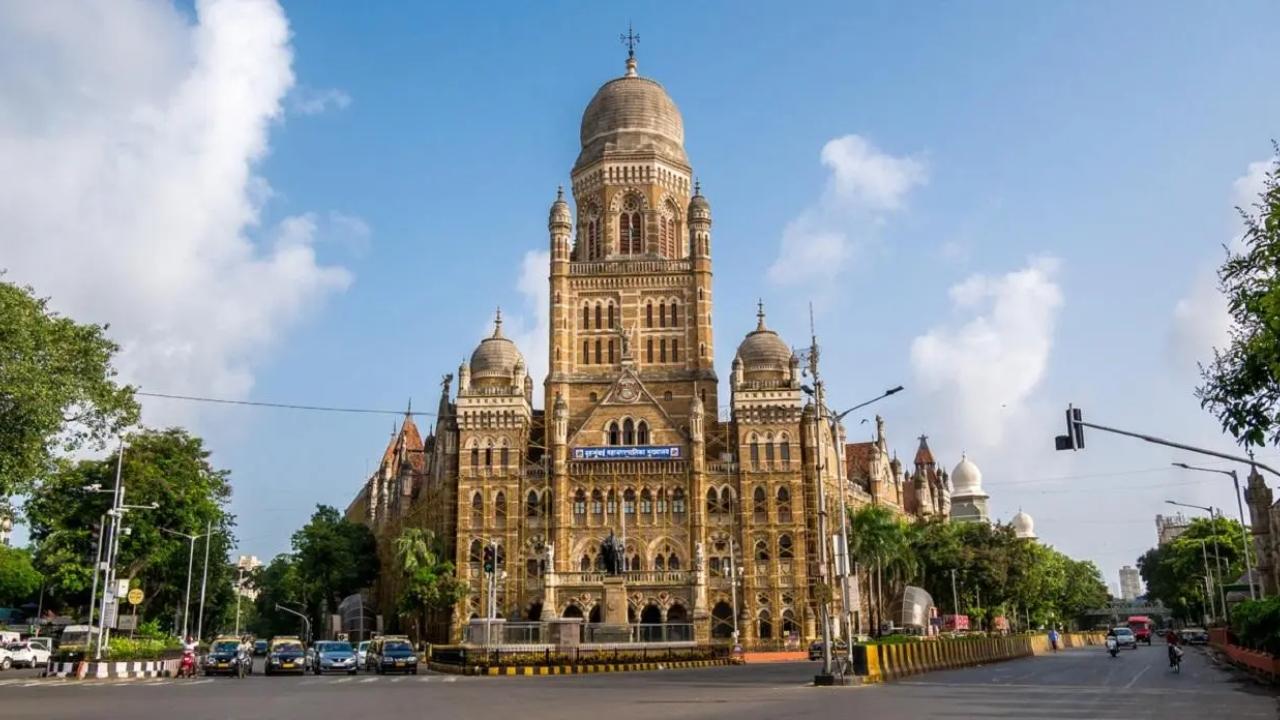
The Brihanmumbai Municipal Corporation, Asia’s richest civic body, has long served as the organisational backbone of the Shiv Sena. Control of the civic body has enabled the party to build a dense network of corporators, local offices and service delivery channels, reinforcing its presence in everyday urban life. The survey suggests that voters who associate these structures with the Thackeray family’s stewardship are more inclined to discount claims of legitimacy made by the Shinde-led faction, despite its alignment with the state government.
Political analysts note that the survey’s timing is significant. With campaigning entering its final stretch, voter perceptions of authenticity could influence tactical voting, particularly among undecided Marathi-speaking residents. The findings also hint at a consolidation trend, with a section of voters who previously oscillated between regional and national parties now gravitating back towards a familiar local brand amid uncertainty over the party’s split identity.
At the same time, the survey does not suggest a uniform rejection of the Shinde faction. A substantial minority of respondents acknowledged the deputy chief minister’s role in state governance and credited his group with administrative stability. However, this appreciation appears to coexist with scepticism over claims to the Shiv Sena name and symbol, especially among older voters who associate the party’s rise with Bal Thackeray’s leadership and the subsequent tenure of his son.
The implications for the civic contest are complex. While recognition as the “real Shiv Sena” may energise the Thackeray camp’s core base, municipal elections in Mumbai are also shaped by hyper-local issues such as water supply, road maintenance, redevelopment projects and cost of living pressures. The survey indicates that voters expect any winning faction to translate ideological affinity into tangible civic outcomes, a challenge compounded by the city’s fiscal scale and administrative complexity.
Campaign strategists across parties are reading the findings as a signal that messaging anchored in legacy and local pride resonates strongly with Marathi-speaking voters, but only when paired with credible governance plans. Candidates perceived as relying solely on symbolism without addressing urban management concerns risk losing ground, particularly among younger voters who prioritise infrastructure and employment opportunities alongside cultural identity.