
 Kolkata saw violent street clashes on Tuesday after demonstrations by Hindutva organisations over the killing of a Hindu youth in Bangladesh escalated into confrontations with police, leaving several people injured and prompting a heavy security response across parts of the city.
Tension rose rapidly as groups carrying saffron flags gathered at multiple junctions, demanding justice for the youth who was killed in Bangladesh under circumstances that have sparked outrage among sections of the Hindu community. Protesters accused authorities across the border of failing to protect minorities and called for stronger diplomatic pressure. As crowds swelled, barricades erected by the police were pulled down, stones were thrown and vehicles were set ablaze in pockets of central and north Kolkata, according to officials and eyewitness accounts.
Police said they were forced to use batons to disperse demonstrators after repeated appeals to maintain order were ignored. Visuals from the affected areas showed injured protesters and policemen, with bloodstains visible on roads and pavements. Fire tenders were deployed to extinguish burning debris, while rapid action force units were brought in to reinforce local police. Senior officers remained on the ground late into the evening to supervise operations.
The unrest followed calls for protests issued by several right-wing groups earlier in the day. Organisers said the demonstrations were intended to be peaceful, but blamed “provocations” and police action for the violence. Police, however, said attempts to march towards sensitive locations and block arterial roads left them with little choice but to intervene. A number of people were detained for questioning, though officials declined to give an exact figure, citing ongoing operations.
The killing that triggered the protests has become a flashpoint amid strained public sentiment over the treatment of religious minorities in Bangladesh. While details of the incident are still being pieced together, the death has been widely circulated on social media, fuelling anger and calls for action. Diplomatic channels between New Delhi and Dhaka have been used in the past to raise concerns over communal violence, and the issue has again drawn attention to the fragile balance in bilateral relations when such incidents occur.
In Kolkata, authorities moved swiftly to prevent the situation from spreading. Section 144 of the Criminal Procedure Code was imposed in several localities to restrict gatherings, and internet services were monitored closely amid fears of misinformation amplifying tensions. Schools and colleges in some areas announced early closures as a precaution, while public transport was diverted away from flashpoints.
Political reactions reflected deep divisions. Leaders from right-wing parties accused the state administration of being slow to act and of suppressing protests through force. Ruling party representatives countered that law and order would be maintained at all costs and warned against attempts to inflame communal passions. They urged residents to remain calm and not fall prey to rumours.
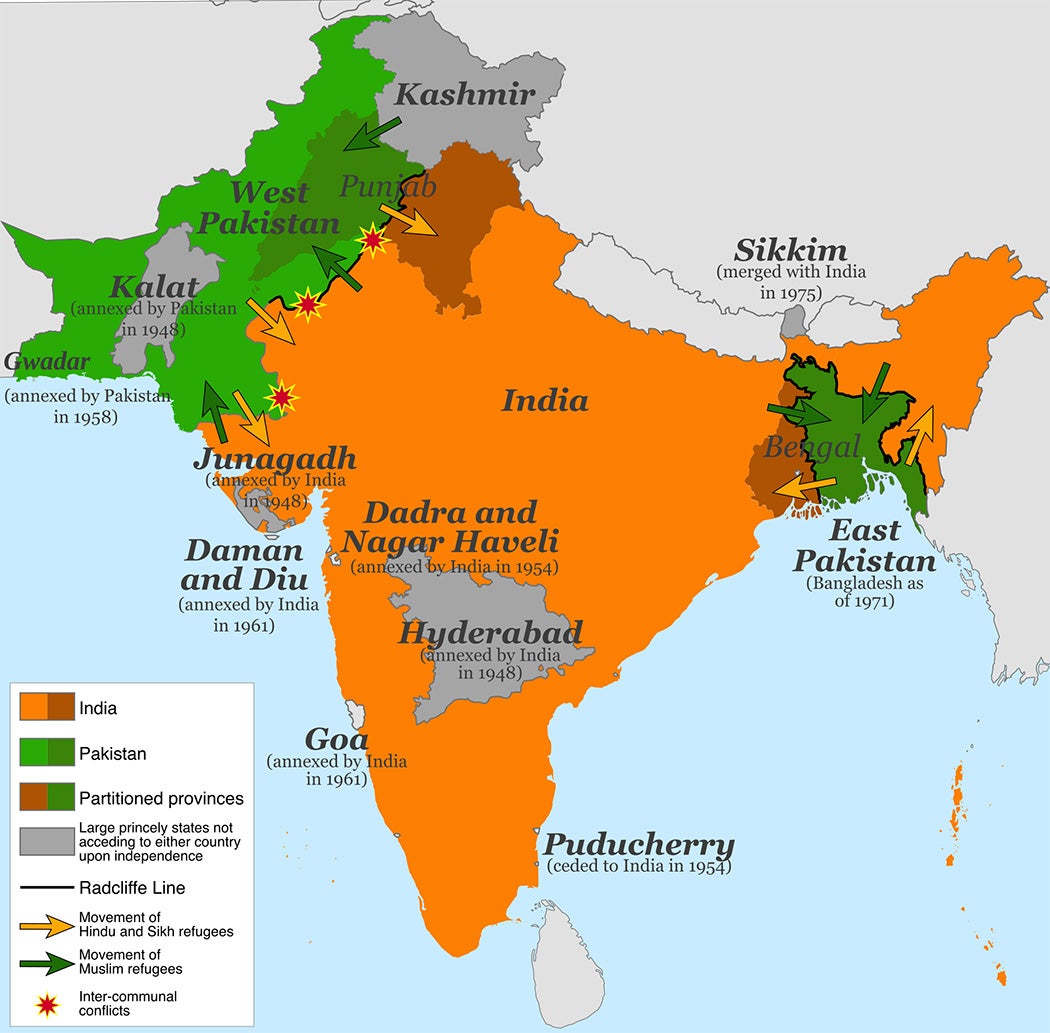
Security analysts noted that Kolkata’s geographic and cultural proximity to Bangladesh often makes it vulnerable to spillover effects when unrest occurs across the border. West Bengal shares a long and porous frontier with Bangladesh, and incidents there frequently resonate strongly among communities on this side. Experts said the challenge for authorities lies in balancing the right to protest with the need to prevent violence, particularly when emotions run high over cross-border issues.
Residents in affected neighbourhoods described scenes of fear and confusion. Shopkeepers pulled down shutters as clashes erupted, while families stayed indoors as police vehicles patrolled the streets. “It happened very suddenly. One moment people were shouting slogans, the next there was chaos,” said a trader near a major crossing where barricades were broken.